Breaking the Cycle: Overcoming the Grip of Thrill-Seeking Behavior

For many, thrill-seeking starts as an exciting way to feel alive. Whether through extreme sports, high-speed driving, or risky adventures, the rush of adrenaline can be captivating. But when the pursuit of danger becomes compulsive and begins to disrupt daily life, it may signal a deeper issue. At Forward Diving, we understand how thrill-seeking behavior can evolve into a cycle that feels impossible to escape. With compassionate care and holistic treatment, it is possible to break free and reclaim a healthier, more balanced life.

Understanding Thrill-Seeking Behavior

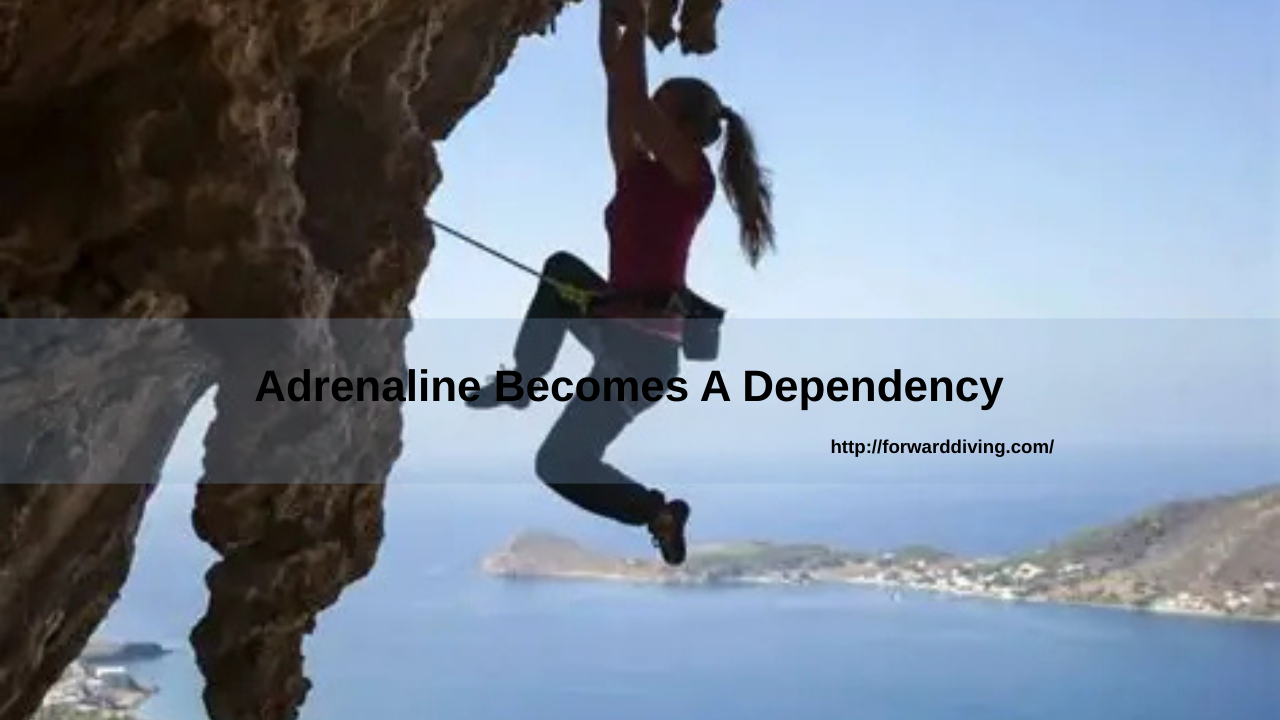
Thrill-seeking is not inherently harmful. Many people enjoy challenging themselves and exploring their limits. However, when the drive for adrenaline becomes a dependency, it can mirror the patterns of substance or behavioral addiction. The brain’s reward system adapts to expect high levels of stimulation, making ordinary life feel flat or unfulfilling. This can create a relentless pursuit of greater risks, often leading to emotional strain, broken relationships, and even physical harm.

Recognizing the Warning Signs

Identifying when thrill-seeking has crossed the line is key to recovery. Some common red flags include:

  • Engaging in increasingly dangerous activities despite negative consequences
  • Struggling to find joy in everyday life without risk or excitement
  • Using thrill-seeking as a way to cope with stress, trauma, or unresolved emotions
  • Experiencing repeated injuries or close calls but continuing the same behavior
  • Neglecting responsibilities at work, school, or home in pursuit of adrenaline

Recognizing these patterns is not about judgment. It is about gaining the awareness needed to begin the healing process.

The Importance of Professional Support

Individualized Treatment

Overcoming the grip of thrill-seeking behavior requires more than willpower. At Forward Diving, we create personalized treatment plans that address each individual’s unique challenges and strengths. From inpatient programs offering structured care to outpatient services designed for flexible support, clients can find the level of treatment that best fits their needs.

Holistic and Faith-Based Healing

Recovery is about more than stopping harmful behaviors. It is about addressing the root causes and creating a healthier lifestyle. Forward Diving integrates proven therapies with holistic practices such as mindfulness, fitness, and nutrition. For those who seek it, faith-based support provides spiritual grounding and encouragement, helping individuals build resilience and purpose in their recovery journey.

Rebuilding Balance

A key part of healing involves discovering safe, meaningful ways to experience excitement and fulfillment. Many individuals find new passions in fitness, creative projects, volunteering, or community involvement. These healthier outlets provide a sense of challenge and joy without the destructive consequences of compulsive risk-taking.

Reclaiming Control of Your Life

Breaking the cycle of thrill-seeking behavior is not about giving up adventure. It is about learning to live with balance, stability, and purpose. By addressing both the psychological and emotional aspects of this behavior, individuals can rediscover happiness in daily life while still embracing challenges that promote growth.

Take the First Step Toward Healing

If thrill-seeking has taken control of your life or the life of someone you love, know that you are not alone. At Forward Diving, our compassionate team is dedicated to guiding individuals toward recovery, balance, and lasting wellness. Reach out today to begin your journey toward freedom from the cycle of thrill dependence and to reclaim a life filled with purpose, joy, and peace.


Risk Without Ruin: Finding Balance After Extreme Thrill Dependence

For some people, thrill-seeking is more than just a weekend hobby. It becomes a way to escape stress, numb difficult emotions, or feel truly alive. The surge of adrenaline that comes from extreme sports, high-speed driving, or risky adventures can be intoxicating. But when the pursuit of danger begins to dominate your life, it may cross the line into extreme thrill dependence. At Forward Diving, we know that healing is possible, and we are here to help individuals reclaim balance without losing the joy of living fully.

Understanding Extreme Thrill Dependence

Extreme thrill dependence occurs when the need for adrenaline and excitement overshadows everyday priorities. Over time, the brain becomes conditioned to crave the dopamine rush that comes with high-risk behavior. Ordinary moments may feel dull or meaningless, which fuels the urge to chase greater intensity.

This cycle can lead to serious consequences: financial struggles, broken relationships, and physical injuries. Just like substance addiction, thrill dependence is not simply about choice or willpower. It is a complex behavioral pattern tied to the brain’s reward system and often connected to underlying emotional or mental health challenges.

Recognizing the Warning Signs

Knowing when thrill-seeking has become unhealthy is the first step to recovery. Some common signs include:

  • Taking increasingly dangerous risks despite the consequences
  • Neglecting work, family, or personal responsibilities to pursue adrenaline
  • Feeling restless, empty, or depressed when not engaging in high-risk activities
  • Using extreme sports or risk-taking to avoid stress or painful emotions
  • Experiencing injuries or near misses but continuing the same behavior

Acknowledging these patterns is not a sign of weakness. It is a powerful step toward change and healing.

The Path to Recovery and Balance

Professional Treatment Matters

Breaking free from extreme thrill dependence is not about giving up excitement altogether. It is about creating a healthier, more balanced relationship with risk. At Forward Diving, we provide personalized treatment programs that address the root causes of compulsive behaviors. Whether through inpatient or outpatient care, our compassionate team walks alongside clients every step of the journey.

Holistic and Faith-Based Approaches

True recovery means healing the whole person. That is why Forward Diving integrates evidence-based therapy with holistic practices such as mindfulness, fitness, and nutrition. For those who wish, we also incorporate faith-based support, helping individuals connect with their spiritual values as part of their healing process.

Developing Healthy Alternatives

Part of recovery involves discovering new ways to experience excitement and purpose. Many people find fulfillment in structured fitness, creative expression, volunteering, or pursuing long-term personal goals. These activities provide meaning and energy without the destructive consequences of dangerous risk-taking.

Reclaiming a Life of Meaning

Living a life free from extreme thrill dependence does not mean giving up passion. It means building a future where excitement and stability coexist. With the right guidance, individuals can rediscover joy in relationships, personal growth, and everyday moments that may have once felt out of reach.

At Forward Diving, we believe no one is defined by their addiction. With professional care, supportive community, and a commitment to healing, you can move beyond the cycle of risk and find a balanced, fulfilling life.

Take the Next Step

If you or someone you love is struggling with thrill-seeking addiction, know that help is available. Forward Diving offers compassionate, individualized care designed to meet you where you are and guide you toward lasting recovery. Reach out today to begin your journey toward healing, balance, and a life that is both exciting and safe.

Living Beyond the Rush: How to Reclaim Life After Thrill-Seeking Addiction

For some, chasing adrenaline is a hobby. For others, it becomes a way of life. Activities like extreme sports, high-speed driving, or risky adventures can offer an exhilarating escape from everyday stress. However, when the need for the rush begins to control your decisions, overshadow relationships, and put your health or safety at risk, it may have shifted from passion to addiction. At Forward Diving, we understand how thrill-seeking can gradually become a cycle of dependency, and we are here to guide you toward reclaiming a balanced, fulfilling life.

Understanding Thrill-Seeking Addiction

Thrill-seeking addiction is more than just a love for adventure. It is a behavioral pattern driven by the brain’s reward system, where the release of adrenaline and dopamine becomes a constant need. Over time, the activities that once brought joy may feel less satisfying, pushing you to take greater risks. This cycle can impact your mental health, strain relationships, and cause financial or physical harm.

Recognizing that the rush is no longer serving you is a vital step toward recovery. Many individuals find that their thrill-seeking is tied to deeper emotional struggles such as stress, anxiety, trauma, or depression. Addressing these underlying issues is key to lasting change.

Taking the First Step Toward Recovery

Acknowledge the Problem

Healing starts with honesty. Admitting that your behavior is no longer under control can be challenging, but it is also empowering. Awareness gives you the opportunity to take meaningful action.

Seek Professional Support

Forward Diving offers individualized treatment plans that address both the behavioral and emotional aspects of addiction. Through inpatient or outpatient care, we provide a safe space to explore your triggers, learn healthier coping strategies, and rebuild a sense of self beyond the rush.

Explore Holistic Healing

Lasting recovery is not just about stopping risky behaviors. It is about restoring balance in your mind, body, and spirit. Our holistic approach combines evidence-based therapies with mindfulness practices, physical wellness programs, and faith-based support for those who want to integrate their spiritual beliefs into their healing process.

Rebuilding a Life You Love

Thrill-seeking addiction can leave a void when the constant excitement stops. Filling that space with healthy and meaningful pursuits is essential. Some find purpose in creative hobbies, fitness challenges, volunteer work, or learning new skills. Others rebuild their lives by focusing on relationships, personal growth, and career goals. The key is discovering activities that provide fulfillment without putting you in harm’s way.

Stay Connected

Recovery thrives in community. Whether through support groups, therapy sessions, or faith-based gatherings, surrounding yourself with people who understand and encourage your progress can make all the difference.

Moving Forward with Confidence

Living beyond the rush is not about giving up excitement. It is about redefining what excitement means for you. At Forward Diving, we are committed to helping you find balance, rediscover joy, and create a future where your choices are driven by purpose rather than compulsion.

If you or someone you love is struggling with thrill-seeking addiction, we invite you to reach out today. With the right support, you can break free from the cycle, heal from within, and embrace a life filled with meaning and peace.

Escaping the Adrenaline Trap: A Guide to Thrill Addiction Recovery

For many people, adrenaline-fueled activities are a source of joy, excitement, and personal growth. Whether it’s skydiving, racing, extreme sports, or other high-risk pursuits, the rush of adrenaline can be deeply satisfying. But when the thrill becomes an emotional crutch or an unrelenting compulsion, it can lead to what experts call thrill addiction. Escaping this “adrenaline trap” requires recognizing the problem, understanding its roots, and taking deliberate steps toward recovery and a more balanced life.

Understanding the Adrenaline Trap

The human brain is wired to seek pleasure and avoid pain. Adrenaline, along with dopamine and endorphins, floods the body during moments of intense excitement or fear, creating a natural high. For thrill-seekers, this sensation can become addictive. Over time, everyday experiences may no longer feel satisfying, prompting a search for more dangerous or extreme activities to chase the same rush.

Unlike substance addictions, thrill addiction is behavior-based. But the underlying mechanisms are strikingly similar: both involve compulsive patterns, tolerance buildup, and withdrawal-like symptoms when the stimulation stops. Left unchecked, thrill addiction can lead to reckless decision-making, injuries, damaged relationships, and emotional burnout.

Recognizing the Signs

Recovering from thrill addiction starts with awareness. Some signs that thrill-seeking has crossed into addiction include:

  • Engaging in increasingly dangerous behavior despite known risks
  • Prioritizing high-risk activities over relationships, work, or responsibilities
  • Feeling agitated, depressed, or empty without constant excitement
  • Ignoring physical or emotional consequences in pursuit of the next thrill
  • Needing greater intensity over time to feel satisfied

If these behaviors feel familiar, it may be time to take action.

Steps Toward Recovery

1. Acknowledge the Issue
Denial is a major obstacle in any addiction. Begin by honestly evaluating your relationship with thrill-seeking. Has it become harmful? Has it taken over your priorities? Admitting the problem is the first powerful step toward healing.

2. Seek Professional Help
A therapist or addiction counselor—especially one with experience in behavioral addictions—can help you explore the emotional roots of your thrill-seeking behavior. Therapy can also provide tools for managing urges, developing healthier coping skills, and restoring balance.

3. Replace the Rush
Recovery doesn’t mean eliminating excitement altogether. It means channeling that energy into safer, more sustainable outlets. Structured activities like martial arts, fitness challenges, artistic expression, or entrepreneurship can offer stimulation without dangerous consequences.

4. Practice Emotional Regulation
Many thrill addicts are unknowingly using adrenaline to numb emotional pain or escape stress. Mindfulness practices like meditation, journaling, and deep breathing help you reconnect with your emotions in a safe and healing way.

5. Build a Support System
Surround yourself with people who support your growth and understand your journey. Whether it’s a friend, family member, mentor, or support group, having someone to talk to reduces isolation and keeps you grounded.

Reclaiming Your Life

Escaping the adrenaline trap doesn’t mean giving up passion—it means reclaiming control. Recovery is about finding new ways to feel alive without risking your well-being. With self-awareness, support, and purpose, you can build a life filled with excitement, meaning, and lasting satisfaction.