
From Risk to Recovery: How to Recognize When Thrill-Seeking Is No Longer Harmless

Thrill-seeking can feel like a powerful way to experience life more fully. The rush of adrenaline, the sense of freedom, and the excitement of pushing limits often bring short bursts of joy and confidence. For many people, these experiences remain healthy and enjoyable. However, there is a point where risk-taking stops being recreational and starts becoming harmful. When excitement turns into dependence or begins affecting mental health, relationships, or daily responsibilities, it may be time to take a closer look. Recognizing this shift is the first step on the path from risk to recovery.

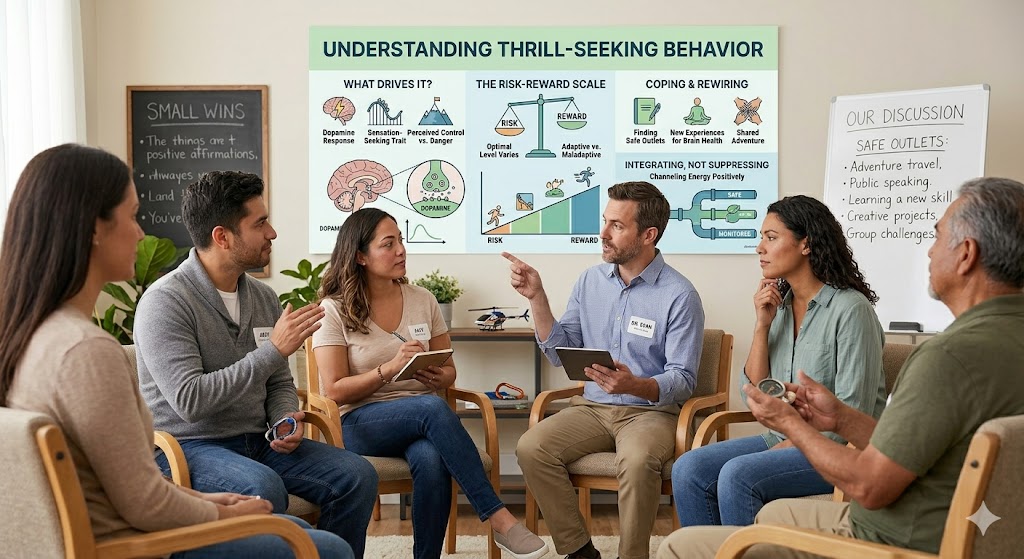
Understanding Thrill-Seeking Behavior

Thrill-seeking, also known as sensation-seeking, refers to the desire for intense and stimulating experiences. This can include adventure sports, spontaneous decisions, or high-risk activities that create excitement.

In balanced form, thrill-seeking can be positive. It encourages growth, resilience, and confidence. It can help people step outside their comfort zones and experience life in meaningful ways. However, when it becomes a primary coping mechanism for emotional distress, it may begin to signal an unhealthy pattern.

When Risk-Taking Stops Being Harmless

The transition from healthy thrill-seeking to harmful behavior is often gradual. It may not be obvious at first, especially when the behavior is socially accepted or even encouraged in certain environments.

Increasing Need for Intensity

One of the earliest warning signs is escalation. A person may begin seeking more extreme or dangerous experiences to achieve the same emotional response they once felt from less intense activities.

Loss of Control Over Behavior

Another key indicator is difficulty stopping. Even when someone recognizes the risks or wants to cut back, they may find themselves repeatedly returning to the behavior.

Emotional Dependence on Excitement

Thrill-seeking may shift from enjoyment to emotional necessity. Individuals may rely on high-intensity experiences to manage stress, anxiety, sadness, or emotional numbness.

Impact on Daily Life and Responsibilities

When risk-taking begins interfering with work, relationships, finances, or health, it is no longer harmless. These disruptions often indicate that the behavior is becoming more serious and potentially compulsive.

Mental Health Effects of Compulsive Thrill-Seeking

While excitement can temporarily boost mood, ongoing reliance on adrenaline can negatively impact emotional well-being.

Anxiety and Nervous System Overload

Frequent exposure to high stimulation can keep the nervous system in a heightened state. This may lead to anxiety, restlessness, or difficulty relaxing without excitement.

Emotional Highs Followed by Lows

After intense experiences, individuals may experience emotional crashes. These lows can feel like emptiness, irritability, or dissatisfaction, which may trigger the desire for another rush.

Connection to Underlying Mental Health Conditions

Compulsive thrill-seeking is often connected to deeper emotional struggles such as trauma, depression, or anxiety. In these cases, risk-taking may serve as a temporary escape rather than a healthy coping strategy.

Signs It May Be Time to Seek Help

Recognizing the need for support is an important part of recovery. Consider whether any of the following apply:

  • You feel unable to control or reduce risky behaviors
  • You need increasingly intense experiences to feel satisfied
  • You rely on excitement to cope with emotional stress
  • Your relationships or responsibilities are being affected
  • You feel unsettled or low when not engaging in high stimulation activities

If these patterns feel familiar, professional support can help you regain balance and stability.

How Recovery and Treatment Can Help

Recovery is not about removing excitement from life. It is about learning to experience it in healthier, safer, and more balanced ways. Compassionate treatment can address both behavior and underlying emotional needs.

Individualized Therapy

Therapy helps individuals understand triggers, identify patterns, and develop healthier coping strategies. Evidence based approaches such as cognitive behavioral therapy can be especially helpful in breaking cycles of impulsive behavior.

Inpatient and Outpatient Care

Inpatient programs provide structured support in a safe environment for individuals who need intensive stabilization. Outpatient programs offer ongoing care while allowing individuals to maintain daily responsibilities. Both approaches focus on long term healing and emotional regulation.

Holistic and Faith-Based Support

Holistic care focuses on healing the mind and body together. Practices such as mindfulness, physical activity, nutrition, and stress management can improve emotional balance. Faith-based support can also provide purpose, connection, and spiritual grounding when desired.

Building a Healthier Relationship With Excitement

Recovery includes rediscovering safe and meaningful ways to experience excitement. Structured activities such as sports, creative pursuits, travel with planning, or goal-based challenges can provide stimulation without harmful consequences. These alternatives support emotional stability while preserving the positive aspects of adventure.

Taking the First Step Toward Recovery

If thrill-seeking is beginning to feel uncontrollable or emotionally necessary, it may be time to seek help. Addiction recovery and mental health treatment can provide the tools needed to understand underlying causes and develop healthier coping strategies. Early support can prevent further harm and create space for lasting change.

Conclusion

The line between harmless thrill-seeking and harmful risk-taking can be subtle, but its impact on mental health and daily life can be significant. Recognizing the warning signs early is key to moving from risk to recovery. With compassionate care, individualized treatment, and holistic support, it is possible to regain balance and build a healthier relationship with excitement.

If you or someone you love is struggling with compulsive thrill-seeking, reaching out for professional help is a powerful first step toward stability, healing, and long term recovery.
Chasing the Next High: Signs Thrill-Seeking May Be Becoming a Behavioral Addiction

Thrill-seeking can feel like a natural part of living fully. The rush of adrenaline, the excitement of new challenges, and the sense of pushing personal limits can bring energy and confidence. For many people, these experiences are healthy and even beneficial. However, when the pursuit of excitement becomes constant, difficult to control, or emotionally necessary, it may be a sign of something deeper. What begins as adventure can gradually shift into a behavioral addiction that affects mental health, relationships, and overall well-being.

Understanding Thrill-Seeking Behavior

Thrill-seeking, also known as sensation-seeking, is the tendency to pursue intense, novel, and stimulating experiences. This trait varies from person to person, and in balanced form, it can support growth, resilience, and motivation.

The concern arises when thrill-seeking stops being an occasional choice and becomes a primary way of coping with emotional discomfort. Instead of adding enjoyment to life, it begins to regulate emotions. This shift is subtle, which is why it often goes unnoticed until it begins to cause problems.

When Thrill-Seeking Becomes a Behavioral Addiction

Behavioral addiction occurs when an activity becomes compulsive and continues despite negative consequences. Unlike simple enjoyment, it involves a loss of control and emotional dependence.

Increasing Need for Intensity

One of the earliest warning signs is escalation. Activities that once felt exciting may no longer produce the same emotional response. This can lead individuals to seek more extreme or risky experiences in order to feel the same level of stimulation.

Loss of Control Over Behavior

Another key indicator is difficulty stopping. Even when someone recognizes that their behavior is risky or unhealthy, they may feel compelled to continue. Attempts to reduce or stop the behavior often fail or are short lived.

Emotional Dependence on Excitement

Thrill-seeking may begin to serve as a coping mechanism for stress, anxiety, boredom, or emotional pain. Over time, the brain starts associating adrenaline with relief, reinforcing the cycle of repeated behavior.

Impact on Daily Life and Responsibilities

When thrill-seeking begins interfering with work, relationships, finances, or personal responsibilities, it moves beyond recreation. At this stage, the behavior is no longer harmless and may require professional attention.

Mental Health Risks Linked to Compulsive Thrill-Seeking

Chasing constant excitement can take a toll on emotional and psychological health. While short bursts of adrenaline may feel rewarding, long term patterns can create instability.

Heightened Anxiety and Restlessness

Frequent stimulation can keep the nervous system in a heightened state. This may result in restlessness, irritability, or difficulty relaxing without excitement.

Emotional Highs and Crashes

After intense experiences, individuals may experience emotional lows or feelings of emptiness. These crashes can reinforce the need to seek another high, creating a repeating cycle.

Connection to Underlying Mental Health Conditions

Compulsive thrill-seeking is often linked to anxiety disorders, depression, trauma, or unresolved emotional distress. In these cases, risky behavior may be an attempt to escape or manage internal discomfort.

Signs You May Need Professional Support

Recognizing when to seek help is an important step toward recovery. Consider whether the following patterns feel familiar:

  • You feel unable to reduce or control thrill-seeking behaviors
  • You need increasingly intense experiences to feel satisfied
  • You rely on risk-taking to manage emotional distress
  • Your relationships or responsibilities are being affected
  • You feel emotionally unsettled when not engaging in high stimulation activities

If these signs are present, professional support can help you regain balance and control.

How Treatment Supports Recovery

Recovery from behavioral addiction is not about eliminating excitement. It is about developing healthier ways to experience stimulation while improving emotional regulation and mental health.

Individualized Therapy

Therapies such as cognitive behavioral therapy help individuals identify triggers, understand thought patterns, and develop healthier coping strategies. Therapy also addresses underlying issues such as trauma, anxiety, or stress.

Inpatient and Outpatient Care

Inpatient programs provide structured, immersive support for individuals needing stabilization and intensive care. Outpatient programs offer flexibility while maintaining ongoing therapy and accountability. Both approaches support long term recovery and emotional balance.

Holistic and Faith Based Approaches

Holistic care focuses on healing the mind and body through mindfulness, exercise, nutrition, and stress management techniques. Faith based support can also provide meaning, purpose, and community for individuals who value spiritual guidance.

Building Healthy Alternatives to Thrill-Seeking

Recovery includes learning how to enjoy excitement in safer and more sustainable ways. Structured activities such as sports, creative hobbies, travel with planning, or goal oriented challenges can provide fulfillment without harmful consequences. These alternatives help restore balance while still allowing space for adventure.

Taking the First Step Toward Help

If thrill-seeking is beginning to feel necessary or out of control, it may be time to seek support. Compassionate addiction recovery services and mental health treatment can help you understand the underlying causes of your behavior and develop healthier coping strategies. Early intervention can prevent further harm and support long term healing.

Conclusion

Chasing the next high can feel exciting, but when thrill-seeking becomes compulsive, it can affect mental health, relationships, and daily life. Recognizing the signs early is an important step toward restoring balance. With individualized care, holistic support, and evidence based treatment, it is possible to move beyond behavioral addiction and build a healthier relationship with excitement.

If you or someone you care about is struggling with compulsive thrill-seeking, reaching out for help is a strong and meaningful first step toward recovery and lasting well-being.

The Hidden Line Between Excitement and Addiction: When Thrill-Seeking Starts Taking Control

Excitement is a powerful part of the human experience. It pushes people to explore, take risks, and step outside their comfort zones. Whether it comes from adventure sports, travel, or high intensity challenges, thrill-seeking can add meaning and energy to life. But there is a hidden line that many people do not notice at first. When excitement becomes something you need instead of something you choose, it can begin to take control. This shift can quietly affect mental health, relationships, and overall stability. Understanding where that line is can make all the difference.

Understanding Thrill-Seeking Behavior

Thrill-seeking, also called sensation-seeking, is a natural tendency to pursue stimulating and novel experiences. Many people with this trait enjoy excitement and tend to seek out opportunities that offer adrenaline and challenge.

In healthy balance, thrill-seeking can support confidence, resilience, and even emotional regulation. However, when it becomes the primary way someone copes with stress or emotional discomfort, it can begin to shift into a more concerning pattern. At that point, excitement is no longer just enjoyment. It becomes emotional dependency.

When Excitement Starts Turning Into Addiction

Behavioral addiction does not always appear obvious. Because thrill-seeking is often socially accepted or even admired, it can be difficult to recognize when it becomes harmful.

The Need for More Intensity

One of the earliest warning signs is escalation. Activities that once felt exciting may no longer create the same emotional response. This can lead to seeking more dangerous or extreme experiences to achieve the same feeling.

Loss of Control Over Choices

Another key sign is difficulty stopping or slowing down. Even when a person recognizes the risks or consequences, they may still feel driven to continue engaging in high risk behavior.

Emotional Dependence on Risk

Thrill-seeking can become a coping mechanism for stress, anxiety, loneliness, or emotional pain. Over time, the brain begins to associate adrenaline with relief, reinforcing the cycle of dependence.

Impact on Daily Functioning

When excitement begins to interfere with responsibilities, relationships, or personal well-being, it is no longer just a hobby or personality trait. It becomes a pattern that disrupts stability.

The Mental Health Impact of Compulsive Thrill-Seeking

The connection between thrill-seeking and mental health is often deeper than it appears. While adrenaline may provide temporary relief, it can also contribute to emotional imbalance over time.

Increased Anxiety and Restlessness

Frequent stimulation can keep the nervous system in a heightened state. This may lead to difficulty relaxing, constant restlessness, or irritability when not engaged in high intensity activities.

Emotional Highs Followed by Lows

After a thrill experience, individuals may experience a drop in mood. This emotional crash can lead to feelings of emptiness or dissatisfaction, which may trigger the desire for another high.

Underlying Mental Health Conditions

Compulsive thrill-seeking is often connected to conditions such as anxiety, depression, or unresolved trauma. In these cases, risk taking may serve as a distraction from deeper emotional pain rather than a source of fulfillment.

Signs It May Be Time to Seek Support

Recognizing the need for help is an important step toward healing. Consider whether any of these patterns feel familiar:

  • You feel unable to reduce or control risky behaviors
  • You need increasingly intense experiences to feel satisfied
  • You rely on excitement to manage emotional distress
  • Your relationships or responsibilities are being affected
  • You feel uneasy or low when not engaging in high risk activities

If these signs are present, professional support can help restore balance and clarity.

How Treatment Helps Restore Control

Recovery is not about removing excitement from life. It is about learning to experience it in healthier and more sustainable ways. Compassionate, individualized treatment can help address both behavior and underlying emotional needs.

Individualized Therapy

Evidence based therapies such as cognitive behavioral therapy help individuals identify triggers, understand emotional patterns, and build healthier coping strategies. Therapy also supports healing from trauma, stress, or anxiety that may be contributing to the behavior.

Inpatient and Outpatient Care

Inpatient programs provide structured support in a safe environment for individuals who need intensive care. Outpatient programs offer flexibility while maintaining ongoing therapy and accountability. Both approaches focus on long term emotional stability and recovery.

Holistic and Faith Based Support

Holistic care helps regulate the mind and body through practices like mindfulness, exercise, nutrition, and stress management. For those who value spiritual guidance, faith based support can provide purpose, connection, and emotional grounding during recovery.

Building a Healthier Relationship With Excitement

Recovery includes rediscovering safe and meaningful ways to experience excitement. Structured physical activities, creative hobbies, goal driven challenges, and outdoor experiences with safety measures can provide stimulation without harm. These alternatives support emotional balance while still allowing space for adventure.

Taking the First Step Toward Change

If thrill-seeking is beginning to feel necessary rather than optional, it may be time to seek help. Addiction recovery and mental health treatment can provide the tools needed to understand behavior patterns and develop healthier coping strategies. Early support can prevent further harm and open the door to lasting change.

Conclusion

The line between excitement and addiction is often subtle, but its impact can be significant. When thrill-seeking begins to take control, it can affect emotional health, relationships, and daily life. Recognizing the warning signs early and seeking professional support can make a meaningful difference.

With compassionate care, individualized treatment, and holistic healing approaches, it is possible to regain balance and build a healthier relationship with excitement. If you or someone you love is struggling with compulsive thrill-seeking, reaching out for help is a powerful first step toward recovery and long term well-being.

When Adventure Turns Into Dependence: Understanding Thrill-Seeking Addiction and Mental Health Risks

Adventure can be one of life’s most powerful motivators. The rush of adrenaline, the feeling of pushing limits, and the excitement of new experiences can bring a deep sense of satisfaction and even purpose. However, when the pursuit of thrill begins to feel necessary rather than enjoyable, it may signal something more serious. What starts as healthy excitement can gradually shift into dependence, affecting mental health, relationships, and overall well-being. Understanding this transition is essential for anyone who feels their need for excitement is becoming difficult to control.

Understanding Thrill-Seeking Behavior

Thrill-seeking, also known as sensation-seeking, is a natural human tendency to pursue novel, intense, and stimulating experiences. Many people with this trait enjoy adventure sports, spontaneous decisions, or high-energy environments. In balanced form, these experiences can support confidence, resilience, and emotional growth.

However, problems arise when thrill-seeking stops being a choice and becomes a need. Instead of enhancing life, it begins to regulate emotions. Individuals may find themselves relying on excitement to manage stress, escape discomfort, or feel emotionally stable.

When Thrill-Seeking Becomes a Behavioral Addiction

Behavioral addiction develops when an activity becomes compulsive, repetitive, and continues despite negative consequences. Thrill-seeking addiction is often overlooked because high-risk behavior can be socially accepted or even encouraged.

Escalating Need for Intensity

One of the earliest warning signs is needing more extreme experiences to achieve the same emotional effect. What once felt exciting may no longer be enough, leading to increased risk-taking over time.

Loss of Control Over Behavior

Individuals may try to reduce or stop risky activities but find themselves returning to them repeatedly. This loss of control is a key indicator that the behavior is no longer purely recreational.

Emotional Dependence on Adrenaline

When excitement becomes the primary way to cope with anxiety, stress, or emotional pain, dependence begins to form. The brain starts associating adrenaline with relief, even if only temporarily.

Negative Impact on Daily Life

When thrill-seeking interferes with responsibilities, finances, work, or relationships, it becomes more than a habit. It becomes a disruption that affects overall stability.

The Mental Health Risks of Compulsive Thrill-Seeking

Thrill-seeking addiction does not exist in isolation. It often overlaps with mental health conditions that require attention and care.

Increased Anxiety and Emotional Instability

Constant stimulation can keep the nervous system in a heightened state. Over time, this may lead to restlessness, irritability, or difficulty relaxing without excitement.

Emotional Highs and Crashes

After intense experiences, individuals may experience emotional lows or feelings of emptiness. This cycle can reinforce the need to seek another rush to avoid discomfort.

Co-Occurring Mental Health Conditions

Compulsive thrill-seeking is often linked with anxiety disorders, depression, trauma, or substance use disorders. In these cases, risky behavior may serve as a coping mechanism rather than a source of enjoyment.

Signs You May Need Professional Support

Recognizing when to seek help is an important step toward recovery. Consider whether any of the following apply:

  • You feel unable to control or reduce risky behaviors
  • You need increasingly intense experiences to feel satisfied
  • You rely on thrill-seeking to manage emotional distress
  • Your relationships or responsibilities are being affected
  • You feel anxious or low when not engaging in high-risk activities

If these patterns feel familiar, professional support can help restore balance.

How Treatment Supports Recovery

Recovery from thrill-seeking addiction focuses on both behavior and underlying emotional health. Effective care is individualized and compassionate.

Individualized Therapy

Evidence-based approaches such as cognitive behavioral therapy help individuals identify triggers, understand emotional patterns, and develop healthier coping strategies. Therapy also addresses underlying issues such as trauma, stress, or anxiety.

Inpatient and Outpatient Care

Inpatient treatment provides a structured environment for stabilization and intensive support. Outpatient care allows individuals to continue treatment while maintaining daily responsibilities. Both approaches support long-term recovery and emotional regulation.

Holistic and Faith-Based Healing

Holistic care supports recovery by addressing mind and body together. Practices such as mindfulness, physical activity, nutrition, and stress management help regulate emotions. Faith-based support can also provide meaning, connection, and spiritual grounding when desired.

Building Healthy Ways to Experience Excitement

Recovery does not mean eliminating adventure. It means learning to engage with it in healthier ways. Structured activities such as sports, creative pursuits, outdoor recreation with safety measures, and goal-driven challenges can provide fulfillment without harmful consequences.

Taking the First Step Toward Change

If thrill-seeking is starting to feel necessary rather than optional, it may be time to reach out for support. Addiction recovery and mental health treatment can help you understand the underlying causes of compulsive behavior and guide you toward healthier coping strategies. Early intervention can prevent long-term harm and support meaningful recovery.

Conclusion

Adventure is a natural and rewarding part of life, but when thrill-seeking turns into dependence, it can affect mental health, relationships, and overall well-being. Recognizing the signs early and seeking professional support can make a significant difference. With compassionate care, individualized treatment, and holistic healing approaches, it is possible to move beyond compulsive patterns and build a healthier relationship with excitement.

If you or someone you love is struggling with thrill-seeking addiction, reaching out for help is a powerful first step toward stability, balance, and long-term recovery.