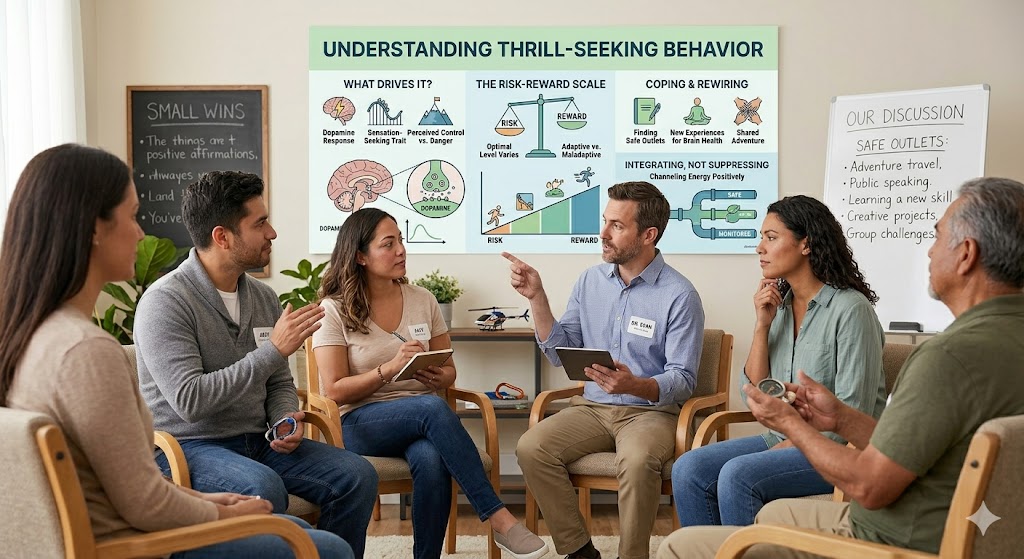
Safe Thrills, Healthy Life: Signs Your Adventure May Be Turning Harmful

Adventure and high-energy experiences can be exciting, rewarding, and even beneficial for mental health. From outdoor sports to spontaneous travel or challenging activities, safe thrills often build confidence, resilience, and a sense of accomplishment. Yet, when the pursuit of adventure becomes compulsive or emotionally driven, it can begin to negatively affect mental health, relationships, and daily responsibilities. Understanding the signs that thrill-seeking is turning harmful is key to maintaining a balanced and healthy life.

Understanding the Line Between Healthy Thrills and Compulsive Behavior

Thrill-seeking, or sensation-seeking, is a natural personality trait that motivates individuals to explore, take risks, and push personal boundaries. In moderation, these behaviors can promote growth and well-being. However, when excitement starts to dominate decision-making and emotional regulation, it may be a warning sign that behavior is becoming compulsive. Compulsive thrill-seeking often develops as a coping mechanism for stress, anxiety, depression, or unresolved trauma, rather than as a source of enjoyment.

Common Warning Signs of Compulsive Thrill-Seeking

Recognizing harmful patterns early can prevent escalation into addiction or other serious consequences. Some key indicators include:

  • Increasing Risk Levels: Constantly seeking more extreme or dangerous experiences to achieve the same excitement.
  • Loss of Control: Repeated engagement in high-risk activities despite attempts to moderate or stop.
  • Neglect of Responsibilities: Missing work, school, or family obligations in favor of thrill-seeking.
  • Emotional Dependence: Using adrenaline-inducing activities to cope with stress, anxiety, or emotional discomfort.

When these signs appear, professional intervention can be crucial for maintaining long-term health.

The Impact on Mental Health

Compulsive thrill-seeking can significantly affect emotional well-being. High-risk activities stimulate the nervous system, which can lead to heightened anxiety, restlessness, or emotional volatility. Following periods of excitement, individuals may experience mood crashes, irritability, or feelings of emptiness. Over time, these patterns may contribute to depression, anxiety disorders, or exacerbate pre-existing mental health challenges. Compulsive thrill-seeking can also co-occur with substance use or other addictive behaviors, reinforcing cycles that are difficult to break without support.

Strategies for Maintaining Healthy Thrills

Maintaining a balance between excitement and safety requires awareness, skill-building, and support. Evidence-based strategies include:

Individualized Therapy

Cognitive-behavioral therapy helps individuals recognize triggers, challenge unhealthy thought patterns, and develop coping strategies that do not rely on risky behavior. Therapy also provides a safe space to address underlying emotional issues that may drive compulsive behavior.

Structured Care Programs

Inpatient programs provide intensive, structured support for those whose thrill-seeking has become unsafe or disruptive. Outpatient programs allow continued care while maintaining work, school, or family responsibilities, reinforcing coping skills and relapse prevention strategies.

Holistic Approaches

Mindfulness, meditation, stress management techniques, physical activity, and creative outlets strengthen emotional regulation and reduce dependence on adrenaline-driven activities. Faith-based programs, when appropriate, can provide community support, purpose, and spiritual grounding.

Creating Safe Excitement

Recovery does not mean eliminating thrill-seeking entirely. Healthy alternatives, such as controlled sports, goal-oriented challenges, creative projects, or volunteer work, can provide stimulation and satisfaction without harmful consequences.

Taking the Next Step

If you or a loved one notice that adventure is interfering with daily life, mental health, or relationships, it is important to seek professional guidance. Compassionate addiction recovery services and mental health treatment can help individuals understand the root causes of compulsive thrill-seeking, develop healthier coping mechanisms, and restore balance. Early intervention can prevent further escalation and support long-term well-being.

Conclusion

Adventure and excitement are valuable aspects of life, but when thrill-seeking becomes compulsive, it can negatively impact mental health and overall life stability. Recognizing warning signs, seeking evidence-based therapy, and integrating holistic and individualized care can help individuals maintain safe, fulfilling excitement without compromising health or safety. If you or a loved one struggle with compulsive thrill-seeking, reaching out to a trusted addiction and mental health provider is a critical first step toward a safer, healthier, and more balanced life.

From Excitement to Compulsion: Managing Thrill-Seeking Before It Becomes Addiction

Thrill-seeking can feel exhilarating. The rush of adrenaline from adventure sports, spontaneous travel, or high-intensity activities can provide joy, confidence, and a temporary escape from stress. For many, these experiences are healthy and fulfilling. However, when the pursuit of excitement becomes compulsive, it can evolve into a behavioral addiction that impacts mental health, relationships, and daily responsibilities. Recognizing early signs and learning how to manage thrill-seeking is essential for maintaining balance and emotional well-being.

Understanding Thrill-Seeking Behavior

Thrill-seeking, also called sensation-seeking, is a personality trait characterized by the desire for intense, novel, and stimulating experiences. In moderate amounts, it can foster resilience, problem-solving skills, and social connection. But when thrill-seeking becomes repetitive and driven by emotional need rather than enjoyment, it can start to interfere with life.

When Excitement Turns Compulsive

Compulsive thrill-seeking occurs when individuals feel unable to resist the urge to seek high-intensity experiences despite potential risks. This behavior often becomes a coping mechanism for stress, anxiety, depression, or unresolved trauma. Over time, it can mirror other forms of addiction, where the desire for the next “high” takes priority over health, safety, and responsibilities.

Warning Signs That Thrill-Seeking May Be Harmful

Identifying harmful patterns early is critical for preventing escalation. Common warning signs include:

  • Increasing Risk Levels: Requiring more extreme or dangerous experiences to feel satisfied.
  • Loss of Control: Repeatedly engaging in high-risk behaviors despite promises to stop.
  • Neglecting Responsibilities: Skipping work, school, or personal commitments to chase excitement.
  • Emotional Dependence: Using thrills as a primary method to cope with stress, anxiety, or depression.

The Mental Health Connection

Compulsive thrill-seeking often coexists with other mental health concerns such as anxiety disorders, depression, or trauma. While risk-taking may temporarily alleviate emotional discomfort, it does not address the root causes. Left untreated, the behavior can increase stress, impair emotional regulation, and reinforce negative cycles that mirror addiction.

Strategies for Managing Thrill-Seeking

Managing high-risk behavior requires a combination of behavioral therapy, holistic support, and professional guidance.

Cognitive-Behavioral Therapy

Cognitive-behavioral therapy helps individuals identify triggers, challenge unhealthy thought patterns, and develop healthier coping strategies. CBT encourages self-awareness and provides tools to manage impulses before they escalate.

Structured Inpatient and Outpatient Care

Inpatient programs offer a safe, structured environment for intensive support and skill-building, particularly for individuals whose thrill-seeking has become unsafe or disruptive. Outpatient programs provide flexibility while reinforcing coping strategies in real-world settings.

Holistic Approaches

Incorporating mindfulness, meditation, physical exercise, creative pursuits, and stress-reduction techniques strengthens emotional regulation. For those seeking spiritual support, faith-based programs can offer grounding, purpose, and community throughout the recovery process.

Building Healthy Excitement

Recovery does not mean eliminating adventure. Individuals can replace high-risk behaviors with safe, meaningful experiences. Structured hobbies, goal-driven challenges, and physical activities with controlled risk provide the stimulation needed without jeopardizing health or safety.

Taking the Next Step

If thrill-seeking behaviors are interfering with daily life, relationships, or mental health, seeking professional support is essential. Compassionate addiction recovery services and mental health treatment provide the tools needed to regain control, develop healthier coping mechanisms, and prevent escalation into addiction.

Conclusion

Adventure and excitement are natural parts of life, but when thrill-seeking becomes compulsive, it can negatively impact mental health and overall well-being. Recognizing early warning signs, embracing evidence-based therapy, and integrating holistic approaches can help individuals maintain balance, reduce impulsivity, and enjoy safe, fulfilling experiences. If you or a loved one are struggling with compulsive thrill-seeking, reaching out to a trusted addiction and mental health provider can be the first step toward a healthier, more stable life.

The Hidden Risks of Adventure: When Thrill-Seeking Impacts Mental Health

Adventure can be energizing, empowering, and deeply fulfilling. Many people thrive on new experiences, physical challenges, and the excitement of pushing personal limits. However, when thrill-seeking becomes excessive or emotionally driven, it can quietly begin to affect mental health in serious ways. What starts as healthy excitement can gradually shift into compulsive behavior that impacts relationships, work, safety, and emotional stability. Recognizing when adventure crosses into harmful territory is essential for protecting both mental health and long term recovery.

Understanding Thrill-Seeking Behavior

Thrill-seeking, often called sensation-seeking, is the desire for intense and stimulating experiences. For some individuals, this may involve extreme sports, high risk travel, competitive challenges, or other adrenaline driven activities. In balanced amounts, these experiences can build confidence and resilience.

However, problems arise when the need for stimulation becomes constant. Instead of enhancing life, thrill-seeking begins to control decision making. The activity becomes less about enjoyment and more about chasing relief from stress, anxiety, or emotional discomfort.

How Thrill-Seeking Impacts Mental Health

Compulsive thrill-seeking can have significant psychological consequences. Over time, the mental and emotional costs may outweigh the temporary excitement.

Increased Anxiety and Emotional Instability

The body is not designed to live in a constant state of high adrenaline. Repeated stimulation can increase baseline anxiety levels and create emotional volatility. Individuals may feel restless, irritable, or unable to relax without intense activity.

Mood Crashes After the High

After an adrenaline surge fades, many people experience a noticeable emotional drop. This can contribute to symptoms of depression, emptiness, or low motivation. As a result, individuals may seek another thrill to avoid uncomfortable feelings, creating a cycle that resembles addiction.

Impulse Control Challenges

Thrill-seeking often overlaps with impulse control difficulties. Acting without considering long term consequences can lead to injuries, financial problems, strained relationships, or legal issues. These stressors further impact mental health.

Co-Occurring Disorders

Compulsive thrill-seeking frequently appears alongside substance use disorders, trauma related conditions, anxiety disorders, or depression. In many cases, high risk behavior becomes a coping mechanism for deeper unresolved pain.

When Adventure Becomes a Behavioral Addiction

Behavioral addiction develops when an activity becomes compulsive, difficult to control, and harmful despite negative consequences. Signs that thrill-seeking may have crossed this line include:

  • Escalating risk levels to achieve the same excitement
  • Failed attempts to reduce or stop risky behavior
  • Neglect of work, family, or personal responsibilities
  • Emotional dependence on adrenaline for stress relief

If these patterns are present, professional mental health treatment may be necessary.

Addressing Compulsive Thrill-Seeking Through Treatment

Effective addiction recovery requires more than stopping a behavior. It involves understanding the emotional drivers behind it and building healthier coping strategies.

Individualized Therapy

Evidence based therapies such as cognitive behavioral therapy help individuals identify triggers, challenge distorted thinking patterns, and develop practical impulse control skills. Therapy also provides a safe space to explore trauma, anxiety, or depression that may fuel thrill-seeking behavior.

Inpatient and Outpatient Care

For individuals struggling with severe or unsafe behaviors, inpatient treatment offers structure, accountability, and intensive support. Outpatient programs provide flexible care while allowing individuals to maintain daily responsibilities. Both levels of care focus on long term mental health stability and relapse prevention.

Holistic Healing Approaches

Holistic therapies play an essential role in recovery. Mindfulness practices, physical wellness routines, nutrition support, and stress management techniques help regulate the nervous system and reduce reliance on adrenaline. When appropriate, faith-based support can offer spiritual grounding and a renewed sense of purpose.

Building Healthy Sources of Fulfillment

Recovery is not about eliminating excitement. Instead, it involves redefining what healthy stimulation looks like. Structured physical activities, creative outlets, volunteer work, and meaningful goal setting can provide purpose and engagement without harmful consequences.

Taking the First Step Toward Balance

If thrill-seeking behaviors are affecting your mental health or disrupting your life, you are not alone. Many individuals struggle silently because high risk behavior is often socially normalized or even admired. Yet behind the excitement, there may be emotional exhaustion, anxiety, or shame.

Compassionate addiction recovery services and mental health treatment can help you understand the root causes of compulsive behavior. With individualized care, holistic support, and professional guidance, it is possible to regain control and build a balanced, fulfilling life.

Conclusion

Adventure can enrich life, but when thrill-seeking begins to compromise mental health, it is time to pause and reflect. The hidden risks of constant adrenaline are real, and ignoring them can lead to deeper emotional and behavioral challenges. The good news is that recovery is achievable. Through personalized treatment, structured support, and holistic healing, individuals can move beyond compulsive risk-taking and create a stable, meaningful future.

If you or someone you love is struggling with compulsive thrill-seeking or behavioral addiction, reaching out for professional help is a powerful first step. Support, clarity, and lasting change are possible with the right care and guidance.

Beyond the High: Recognizing and Addressing Compulsive Thrill-Seeking

The rush of adrenaline can feel powerful. For many people, high intensity experiences provide excitement, confidence, and a temporary escape from stress. However, when the pursuit of that rush becomes repetitive, compulsive, and difficult to control, it may signal something deeper. Compulsive thrill-seeking can quietly evolve into a behavioral addiction that affects mental health, relationships, and overall well-being. Recognizing the warning signs early is essential, because recovery becomes much more achievable when intervention happens before the risks escalate.

What Is Compulsive Thrill-Seeking?

Thrill-seeking, often referred to as sensation-seeking, is a natural personality trait. Many individuals enjoy activities that create excitement or challenge personal limits. In healthy forms, adventure can promote growth and resilience.

Compulsive thrill-seeking is different. It occurs when the desire for high intensity experiences begins to override safety, responsibilities, and emotional balance. Instead of being a choice, it becomes a pattern that feels urgent and difficult to resist. Over time, this pattern can mirror other forms of behavioral addiction.

When Thrill-Seeking Becomes Harmful

It is not always easy to recognize when excitement crosses the line into addiction. However, certain signs suggest the behavior may be causing harm.

Escalating Risk

One common indicator is needing increasingly dangerous or extreme experiences to achieve the same level of excitement. What once felt thrilling may no longer satisfy, leading to greater risk-taking.

Loss of Control

Individuals may promise themselves they will cut back, only to return to the behavior repeatedly. This cycle of intention and relapse is a hallmark of addictive patterns.

Emotional Dependence

When thrill-seeking becomes a primary way to cope with stress, anxiety, depression, or unresolved trauma, it shifts from recreation to emotional reliance.

Negative Consequences

Strained relationships, financial problems, physical injuries, or workplace issues are strong indicators that thrill-seeking may no longer be healthy.

The Mental Health Connection

Compulsive thrill-seeking rarely exists in isolation. It often co-occurs with anxiety disorders, depression, trauma-related conditions, or substance use disorders. In many cases, high risk behaviors temporarily numb emotional pain or create a sense of control.

Unfortunately, the relief is short lived. The emotional lows that follow can deepen feelings of shame, guilt, or instability. This cycle reinforces the behavior and increases the need for professional mental health treatment.

Addressing both the addictive behavior and the underlying emotional drivers is critical for lasting recovery.

Therapeutic Approaches That Support Recovery

Effective treatment for compulsive thrill-seeking focuses on both behavioral change and emotional healing. A comprehensive approach may include several levels of care.

Individualized Therapy

Evidence based therapies such as cognitive behavioral therapy help individuals identify triggers, challenge distorted thinking patterns, and develop healthier coping strategies. Therapy also creates space to process trauma, anxiety, or depression that may fuel impulsive behaviors.

Inpatient Treatment

For individuals whose behaviors have become severe or unsafe, inpatient care offers a structured and supportive environment. This level of care allows for intensive therapy, daily accountability, and a temporary separation from high risk triggers.

Outpatient Programs

Outpatient treatment provides flexibility for those who need continued support while maintaining work, school, or family responsibilities. It reinforces coping skills and relapse prevention strategies in real world settings.

Holistic and Faith-Based Support

True healing involves more than symptom management. Holistic approaches such as mindfulness, physical wellness, nutrition, and stress reduction strengthen emotional regulation. For those who desire it, faith-based support can provide spiritual grounding, purpose, and community connection throughout the recovery process.

Rebuilding a Healthy Relationship with Excitement

Recovery does not mean eliminating adventure or suppressing personality traits. Instead, it means learning to pursue excitement in ways that are safe, intentional, and aligned with long term well-being.

Developing healthy outlets such as structured sports, creative pursuits, service work, or goal driven challenges can provide stimulation without destructive consequences. With professional guidance, individuals can build impulse control skills and rediscover balance.

Taking the First Step Toward Change

Compulsive thrill-seeking is not a character flaw. It is often a signal that deeper emotional needs are not being met. Seeking help is a sign of strength, not weakness.

Compassionate addiction recovery services and mental health treatment can provide the structure, insight, and personalized care needed to break harmful cycles. Whether through inpatient or outpatient care, holistic therapies, or faith-based support, recovery is possible.

Conclusion

The rush of excitement may feel powerful, but when thrill-seeking begins to control decisions and harm well-being, it deserves serious attention. Recognizing the signs of compulsive thrill-seeking is the first step toward reclaiming balance. With individualized treatment, holistic healing, and supportive guidance, it is possible to move beyond the high and build a life rooted in stability, purpose, and lasting fulfillment.

If you or someone you love is struggling with compulsive thrill-seeking or behavioral addiction, reaching out for professional support can make all the difference. A healthier future begins with one courageous conversation.

Chasing the Rush: Understanding When Thrill-Seeking Turns Into Addiction

For many, the thrill of adventure, extreme sports, or spontaneous experiences can be exhilarating. That rush of excitement can provide a sense of freedom, accomplishment, and emotional release. However, when the pursuit of adrenaline becomes compulsive, it can evolve into a behavioral addiction that negatively impacts mental health, relationships, and daily life. Understanding the line between healthy thrill-seeking and harmful patterns is essential for anyone seeking balance and long-term well-being.

What Is Thrill-Seeking Behavior?

Thrill-seeking, or sensation-seeking, is a personality trait characterized by a desire for intense and novel experiences. Activities such as extreme sports, high-stakes challenges, or even frequent spontaneous adventures can provide stimulation and satisfaction. While these behaviors can be positive when done in moderation, compulsive thrill-seeking becomes problematic when it begins to interfere with responsibilities, safety, and emotional health.

Signs Thrill-Seeking May Be Becoming an Addiction

Recognizing when adventure crosses into addiction is crucial. Some common warning signs include:

Persistent Compulsion

Feeling unable to resist engaging in high-risk activities, even when aware of potential harm, indicates a loss of control.

Escalating Intensity

Requiring increasingly dangerous experiences to achieve the same excitement suggests a developing behavioral addiction.

Neglecting Responsibilities

Skipping work, school, or social commitments to pursue thrills is a red flag that the behavior may be harmful.

Emotional Dependence

Using risky experiences to manage stress, anxiety, or emotional discomfort can create a cycle of dependency and emotional instability.

The Connection Between Thrill-Seeking and Mental Health

Compulsive thrill-seeking often co-occurs with mental health challenges such as anxiety, depression, or past trauma. While risk-taking may temporarily relieve negative emotions, it rarely addresses the underlying causes. Without intervention, these behaviors can exacerbate emotional distress and lead to more serious addictive patterns.

Approaches to Recovery

Managing compulsive thrill-seeking requires a combination of behavioral therapy, emotional support, and holistic care.

Individualized Therapy

Evidence-based treatments, such as cognitive-behavioral therapy, help individuals identify triggers, develop healthier coping strategies, and regain control over impulses.

Structured Inpatient and Outpatient Programs

Inpatient programs provide a safe, focused environment for intensive recovery, while outpatient care allows continued support for those balancing work, school, or family responsibilities.

Holistic and Faith-Based Support

Mindfulness, meditation, physical activity, and spiritual guidance can enhance emotional regulation and resilience. Faith-based programs offer additional community and spiritual support for individuals seeking holistic recovery.

Family and Peer Support

Involving family members, peers, or support groups strengthens accountability, provides encouragement, and helps reinforce healthy habits.

Building Healthy Thrills

Recovery is not about eliminating excitement. Finding safe, meaningful ways to experience thrills can provide satisfaction without risking harm. Creative hobbies, adventure-based activities with controlled risk, or goal-oriented challenges can satisfy the desire for stimulation while supporting long-term mental health and recovery.

Taking the Next Step

Recognizing that thrill-seeking may have become an addiction is a brave first step. Professional guidance from addiction recovery specialists can help individuals regain control, develop healthy coping mechanisms, and rebuild balanced, fulfilling lives. Early intervention is key to preventing escalation and protecting mental health.

Conclusion

Thrill-seeking is a natural and valuable part of life, but when it becomes compulsive, it can jeopardize well-being and disrupt recovery. Understanding the signs, seeking professional support, and embracing holistic, individualized care can help transform risk-driven habits into safe and rewarding experiences. If you or a loved one struggle with compulsive thrill-seeking, reach out to a trusted addiction and mental health provider today. Taking this step can lead to balance, emotional health, and a life full of meaningful, safe adventure.

Healthy Thrills vs. Addiction: Building Balance After Risk‑Driven Habits

Thrill-seeking can be a fun and energizing part of life. From extreme sports to spontaneous adventures, the rush of excitement often provides a sense of freedom, accomplishment, and joy. However, when risk-driven behaviors become habitual or compulsive, they may interfere with mental health, relationships, and everyday responsibilities. Understanding the difference between healthy thrills and addictive patterns is essential for maintaining balance, safety, and emotional well-being.

Understanding Risk-Driven Behaviors

Risk-driven behaviors are activities that provide excitement or adrenaline. Many people engage in these behaviors for recreation, personal growth, or stress relief. Healthy thrill-seeking can foster confidence, resilience, and social connections. However, addiction occurs when the desire for excitement becomes overwhelming, leading to repeated engagement in high-risk activities despite harmful consequences.

Signs Risk-Driven Habits May Be Harmful

Recognizing when thrill-seeking crosses into addictive behavior is the first step toward recovery. Warning signs include:

Persistent Compulsion

Feeling unable to resist engaging in high-risk activities, even when aware of potential dangers, suggests a loss of control.

Escalating Risk Levels

Needing more intense experiences to feel the same excitement is a common indicator of behavioral addiction.

Neglecting Responsibilities

When work, school, or personal relationships are consistently sacrificed for thrill-seeking, the behavior may be harmful.

Emotional Dependence

Using risky activities to cope with stress, anxiety, or boredom can create a cycle that reinforces compulsive behavior.

The Connection Between Thrill-Seeking and Mental Health

Compulsive risk-taking often co-occurs with mental health challenges such as anxiety, depression, or substance use disorders. While thrill-seeking may temporarily mask emotional pain, it rarely addresses the root causes. Integrating mental health treatment with behavioral support is crucial for breaking this cycle and building long-term balance.

Strategies for Building Healthy Balance

Recovery from risk-driven habits involves both behavior modification and emotional healing. Effective strategies include:

Individualized Therapy

Cognitive-behavioral therapy and other evidence-based approaches help individuals identify triggers, manage impulses, and develop healthier coping mechanisms.

Holistic Approaches

Incorporating mindfulness, meditation, physical activity, and creative outlets can reduce the need for harmful thrills while supporting emotional regulation.

Structured Inpatient and Outpatient Programs

Inpatient care offers a safe, focused environment for intensive recovery, while outpatient programs provide flexibility and continued support for those balancing daily life responsibilities.

Faith-Based Support

For individuals seeking spiritual guidance, faith-based programs can provide a sense of purpose, community, and grounding throughout recovery.

Support Networks

Family, peers, and support groups play a critical role in accountability, encouragement, and reinforcing healthy behaviors.

Creating Sustainable Thrills

Rebuilding a balanced life after compulsive thrill-seeking involves discovering safe and meaningful ways to experience excitement. Activities such as adventure-based hobbies with controlled risk, creative pursuits, or goal-oriented challenges can provide the rush of accomplishment without jeopardizing safety or well-being.

Taking the Next Step

Recognizing the difference between healthy excitement and compulsive behavior is empowering. Early intervention, combined with professional guidance, can prevent risk-driven habits from becoming harmful and support long-term mental health and recovery. Addiction and mental health professionals offer compassionate, individualized care tailored to each person’s unique needs.

Conclusion

Thrill-seeking is a natural part of life, but when risk-driven habits become compulsive, they can threaten mental health and disrupt recovery from addiction. Understanding the signs, exploring therapeutic strategies, and embracing holistic and client-centered care can help individuals regain balance and enjoy safe, fulfilling experiences. If you or a loved one struggle with compulsive thrill-seeking, reach out to a trusted addiction recovery provider today. Taking this step can transform harmful patterns into opportunities for growth, resilience, and long-lasting well-being.

Is Your Adventure Spiral Turning Harmful? Signs Thrill‑Seeking May Be a Behavioral Addiction

For many people, adventure is a source of excitement, personal growth, and joy. Pushing boundaries, trying new activities, and embracing high-energy experiences can be healthy and fulfilling. However, when the pursuit of thrill becomes compulsive, it can lead to a behavioral addiction that disrupts daily life, mental health, and recovery from other addictive patterns. Recognizing the warning signs early is essential to prevent escalation and regain control.

What Is Behavioral Thrill-Seeking?

Thrill-seeking, or sensation-seeking, is a natural desire for novel and intense experiences. People may seek activities like extreme sports, spontaneous travel, or other high-adrenaline experiences. While occasional risk-taking can be stimulating, behavioral addiction occurs when thrill-seeking becomes a repetitive, compulsive habit that persists despite negative consequences.

Warning Signs of Compulsive Thrill-Seeking

Identifying when thrill-seeking is harmful is the first step toward recovery. Look for these signs:

Persistent Urges Despite Consequences

A hallmark of behavioral addiction is the inability to stop engaging in risky behaviors, even when facing physical, financial, or emotional harm.

Escalation of Risk

Needing increasingly dangerous or intense experiences to achieve the same sense of excitement signals a loss of control.

Neglect of Responsibilities

Missing work, school, or personal obligations to chase thrills may indicate that the behavior has become disruptive.

Emotional Dependence

Using high-risk experiences to escape stress, anxiety, or emotional discomfort can create a cycle of dependence and emotional instability.

The Connection Between Thrill-Seeking and Mental Health

Compulsive thrill-seeking often co-occurs with other mental health challenges such as anxiety, depression, or past trauma. These behaviors may initially serve as coping mechanisms but can exacerbate emotional distress over time. Addressing both the addictive behavior and underlying mental health concerns is essential for lasting recovery.

Therapeutic Strategies for Managing Thrill-Seeking

Recovery requires a combination of behavioral therapy, emotional support, and holistic care. Effective strategies include:

Cognitive-Behavioral Therapy

CBT helps individuals understand triggers, challenge harmful thought patterns, and develop healthier coping strategies.

Mindfulness and Emotional Regulation

Practices such as meditation, deep breathing, and journaling improve self-awareness and reduce impulsive responses.

Structured Inpatient and Outpatient Programs

Inpatient care offers an intensive, safe environment for behavior modification and skill-building. Outpatient programs provide flexibility and ongoing support while allowing individuals to maintain daily responsibilities.

Holistic and Faith-Based Approaches

Integrating physical activity, creative outlets, and spiritual guidance can enhance emotional balance and foster resilience. Faith-based programs provide additional community support for those seeking spiritual grounding in recovery.

Family and Peer Support

Engaging loved ones and support groups strengthens accountability, encourages healthy decision-making, and reinforces long-term recovery.

Taking Action Before Harm Escalates

Recognizing a behavioral addiction early is crucial. Compulsive thrill-seeking is not a personal failing but a treatable condition. Addiction recovery professionals offer compassionate, individualized care designed to address both the behavior and its underlying causes. Seeking help empowers individuals to regain control, maintain mental health, and replace harmful patterns with fulfilling, safe experiences.

Conclusion

Adventure and excitement are natural and valuable parts of life, but when thrill-seeking becomes compulsive, it can jeopardize mental health, relationships, and overall well-being. By recognizing the warning signs, exploring therapeutic strategies, and embracing individualized recovery approaches, it is possible to regain balance and enjoy life without risking harm. If you or a loved one struggle with compulsive thrill-seeking, reach out to a trusted addiction and mental health provider today. Taking this step can transform harmful patterns into safe, meaningful, and life-affirming experiences.

Beyond the Buzz: Therapeutic Strategies for Managing Thrill‑Seeking and Impulse Control

Thrill-seeking can feel exhilarating and empowering, offering a temporary escape from stress or routine. For some, it is an exciting way to challenge boundaries and embrace life fully. However, when the pursuit of intense experiences becomes compulsive, it can interfere with mental health, relationships, and recovery from addiction. Understanding therapeutic strategies to manage thrill-seeking and strengthen impulse control is critical for anyone aiming to regain balance and emotional stability.

Understanding Thrill-Seeking and Impulse Control

Thrill-seeking, also known as sensation-seeking, is a personality trait marked by the desire for novel and high-intensity experiences. While occasional risk-taking can be healthy, compulsive thrill-seeking often serves as a coping mechanism for stress, emotional pain, or boredom. Impulse control is the ability to resist immediate temptations or urges, and when it is compromised, it can lead to repeated engagement in risky behaviors that negatively impact life.

The Risks of Compulsive Thrill-Seeking

When thrill-seeking becomes compulsive, it may lead to:

Emotional and Mental Strain

Constant pursuit of high-risk activities can increase anxiety, create emotional instability, and contribute to depression or burnout.

Relationship and Social Challenges

Impulsive behaviors may strain friendships, family connections, and professional relationships, isolating individuals from critical support systems.

Escalation to Substance or Behavioral Addiction

Compulsive thrill-seeking is often linked to other addictive patterns, including substance misuse or gambling, as individuals seek greater intensity to achieve emotional satisfaction.

Evidence-Based Therapeutic Strategies

Addressing compulsive thrill-seeking requires structured, compassionate interventions that focus on both behavior and emotional well-being.

Cognitive-Behavioral Therapy (CBT)

CBT helps individuals recognize patterns of risky behavior and understand triggers. Through CBT, clients learn to replace unhealthy thrill-seeking habits with positive coping strategies and problem-solving skills.

Dialectical Behavior Therapy (DBT)

DBT is effective in managing impulsivity and emotional regulation. Techniques such as mindfulness, distress tolerance, and emotional modulation can reduce the urge to engage in high-risk activities.

Individualized Treatment Plans

Each person’s journey is unique. Personalized therapy sessions ensure that treatment addresses the root causes of thrill-seeking, whether they stem from trauma, anxiety, or environmental factors.

Holistic and Faith-Based Approaches

Incorporating holistic practices into recovery can support long-term success:

  • Mindfulness and Meditation: Increase self-awareness and reduce reactive behaviors.
  • Physical Activity: Promote healthy adrenaline release through exercise rather than risky behaviors.
  • Faith-Based Programs: Provide spiritual grounding and community support for those seeking it.

Inpatient and Outpatient Support

Structured programs offer safe environments for behavior modification:

  • Inpatient Care: Immersive treatment focused on intensive therapy, skill-building, and daily accountability.
  • Outpatient Care: Flexible support for ongoing therapy while maintaining work, school, or family commitments.

Building Sustainable Coping Strategies

Long-term management of thrill-seeking involves developing alternative ways to experience excitement safely. Techniques include:

  • Engaging in creative or adventure-based hobbies with controlled risk
  • Practicing stress-management tools such as journaling or breathing exercises
  • Building a strong support network of peers, family, or support groups

Taking the Next Step

Compulsive thrill-seeking is a serious concern, but it is manageable with the right approach. Early intervention and evidence-based therapy provide the tools needed to regain impulse control, strengthen emotional regulation, and prevent further harm. Addiction and mental health professionals offer compassionate, individualized care to guide individuals toward balanced, fulfilling lives.

Conclusion

Managing thrill-seeking and impulsivity is not about eliminating excitement from life. It is about learning to channel energy into safe, meaningful experiences that support emotional health and long-term recovery. If you or a loved one struggle with compulsive thrill-seeking, seeking professional guidance can transform risk into resilience. Reach out to a trusted addiction and mental health provider today to begin a journey toward control, balance, and lasting well-being.

From Rush to Risk: How Compulsive Thrill‑Seeking Affects Mental Health and Recovery

For some people, seeking adventure and excitement brings joy, energy, and a sense of freedom. Whether it is extreme sports, spontaneous travel, or pushing personal limits, these experiences can be thrilling and fulfilling. However, when thrill-seeking becomes compulsive, it can evolve from a healthy outlet into a dangerous pattern that affects mental health, relationships, and recovery from addiction. Understanding the risks associated with compulsive thrill-seeking is an essential step for anyone aiming to maintain emotional balance and long-term well-being.

What Is Compulsive Thrill-Seeking?

Thrill-seeking, also known as sensation-seeking, is a natural personality trait characterized by the desire for new, intense, and stimulating experiences. Compulsive thrill-seeking occurs when this drive becomes overpowering, leading to repeated engagement in high-risk behaviors despite negative consequences. Unlike casual adventure, compulsive thrill-seeking often serves as a way to cope with stress, escape emotional pain, or temporarily mask underlying mental health challenges.

The Impact on Mental Health

Compulsive thrill-seeking can affect mental health in several ways:

Heightened Stress and Anxiety

While short-term adrenaline boosts can feel exciting, repeated high-risk behaviors can increase stress levels and anxiety over time. Individuals may feel a constant need for stimulation to achieve emotional balance, leading to chronic tension and restlessness.

Risk of Depression and Emotional Burnout

Relying on risky activities to feel alive can create an emotional rollercoaster. When the highs fade, feelings of emptiness, depression, or low self-esteem may emerge, perpetuating a harmful cycle.

Co-Occurring Disorders

Compulsive thrill-seeking often co-exists with other mental health concerns such as anxiety disorders, depression, or substance use disorders. These overlapping challenges can make recovery more complex, requiring comprehensive treatment that addresses both behavioral patterns and underlying mental health issues.

Recognizing the Signs

Early recognition of compulsive thrill-seeking can prevent more serious consequences. Key warning signs include:

  • Frequently seeking extreme experiences despite danger or consequences
  • Feeling restless or unsatisfied without high-intensity activities
  • Neglecting work, school, or personal relationships
  • Using thrill-seeking to escape emotional distress

Awareness of these behaviors is the first step toward seeking help and making positive changes.

Approaches to Recovery

Recovery from compulsive thrill-seeking requires a holistic approach that addresses both behavioral patterns and emotional well-being.

Individualized Therapy

Evidence-based therapies such as cognitive-behavioral therapy help individuals understand triggers, develop healthier coping strategies, and reduce impulsive behaviors.

Structured Inpatient and Outpatient Programs

Inpatient programs offer a safe environment for intensive recovery, while outpatient care allows ongoing support for those balancing daily responsibilities. Both approaches provide personalized guidance tailored to each person’s unique needs.

Holistic and Faith-Based Support

Incorporating mindfulness, meditation, physical activity, and faith-based practices can enhance emotional regulation and foster resilience. These practices complement traditional therapy and support long-term healing.

Family and Peer Support

Engaging with supportive family members and peer groups can strengthen accountability, provide encouragement, and help individuals build sustainable coping strategies.

Taking the Next Step

Compulsive thrill-seeking does not have to define your life. Recognizing the behavior and seeking professional support can prevent further risk and promote mental health and recovery. Addiction recovery professionals offer compassionate, individualized care designed to address the root causes of compulsive behavior, guiding individuals toward safer, fulfilling ways to experience excitement and adventure.

Conclusion

Thrill-seeking can be an exciting part of life, but when it becomes compulsive, it can jeopardize mental health and hinder recovery from addiction. Understanding the risks, recognizing the signs, and embracing a holistic, client-centered approach to recovery can make a meaningful difference. If you or a loved one struggles with compulsive thrill-seeking, reach out to a trusted addiction and mental health provider today. With the right support, it is possible to regain balance, find healthier ways to experience excitement, and build a life that is both safe and deeply fulfilling.

When the High Isn’t Harmless: Understanding Thrill‑Seeking Behaviors and Addiction

Thrill-seeking can feel exciting, empowering, and even liberating. For many people, it adds a spark to daily life, whether through extreme sports, adventurous travel, or pushing personal limits. However, when the pursuit of excitement begins to dominate your choices, harm relationships, or interfere with daily functioning, it can signal a deeper problem: behavioral addiction. Understanding the line between healthy risk-taking and compulsive thrill-seeking is essential for anyone looking to protect their mental health and maintain balance in life.

What Is Thrill-Seeking Behavior?

Thrill-seeking, sometimes called sensation-seeking, is a personality trait characterized by a desire for new and intense experiences. People with high sensation-seeking tendencies may be drawn to adrenaline-pumping activities, risky decisions, or constant novelty. While occasional risk can be a healthy part of growth and personal development, compulsive thrill-seeking becomes problematic when it begins to affect safety, relationships, finances, or emotional well-being.

Signs That Thrill-Seeking May Become an Addiction

Recognizing when thrill-seeking turns into a behavioral addiction is a critical step toward seeking help. Common warning signs include:

1. Compulsive Behavior

Feeling unable to resist the urge to engage in high-risk activities, even when aware of the potential consequences, can indicate a loss of control.

2. Escalating Risk Levels

Needing increasingly intense or dangerous experiences to achieve the same level of excitement is a hallmark of behavioral addiction.

3. Neglect of Responsibilities

When thrill-seeking starts to interfere with work, school, relationships, or daily responsibilities, it may have crossed the line into addiction.

4. Emotional Dependence

Relying on risky experiences to manage stress, anxiety, or boredom can create a dangerous cycle that reinforces the behavior.

The Mental Health Connection

Thrill-seeking addiction often co-occurs with other mental health challenges, such as anxiety, depression, or substance use disorders. Compulsive risk-taking can be both a coping mechanism and a trigger for underlying emotional struggles. Addressing these root causes is essential for long-term recovery.

Approaches to Recovery

Recovery from thrill-seeking addiction involves both behavioral change and emotional healing. Treatment programs may include:

Inpatient and Outpatient Care

Structured inpatient programs provide a safe environment to address addiction intensively, while outpatient care offers flexibility and ongoing support for individuals balancing recovery with daily life.

Individualized Therapy

Cognitive-behavioral therapy and other evidence-based approaches help individuals understand triggers, develop healthier coping strategies, and reduce impulsive behavior.

Holistic and Faith-Based Support

Incorporating holistic practices such as mindfulness, meditation, and physical activity can enhance emotional regulation and self-awareness. Faith-based programs provide spiritual support for those seeking it.

Support Networks

Peer support groups, family counseling, and community resources play a vital role in maintaining accountability and sustaining recovery.

Taking the Next Step Toward Healing

Thrill-seeking behaviors are natural, but when the pursuit of excitement begins to harm your life or relationships, it is important to seek help. Early intervention can prevent escalation and support long-term well-being. Addiction recovery professionals provide compassionate, client-centered care tailored to your unique needs. Reaching out is a courageous first step toward regaining control, finding balance, and rediscovering joy in life without risking harm.

Conclusion

Compulsive thrill-seeking is more than just a personality trait; it can evolve into a serious behavioral addiction that affects mental health, relationships, and overall quality of life. Understanding the signs, seeking professional support, and embracing holistic and individualized treatment approaches can make a meaningful difference. If you or a loved one struggles with compulsive thrill-seeking, consider reaching out to a trusted addiction recovery provider today. With the right guidance and support, it is possible to enjoy life, excitement, and adventure safely and sustainably.