Living Beyond the Rush: How to Reclaim Life After Thrill-Seeking Addiction

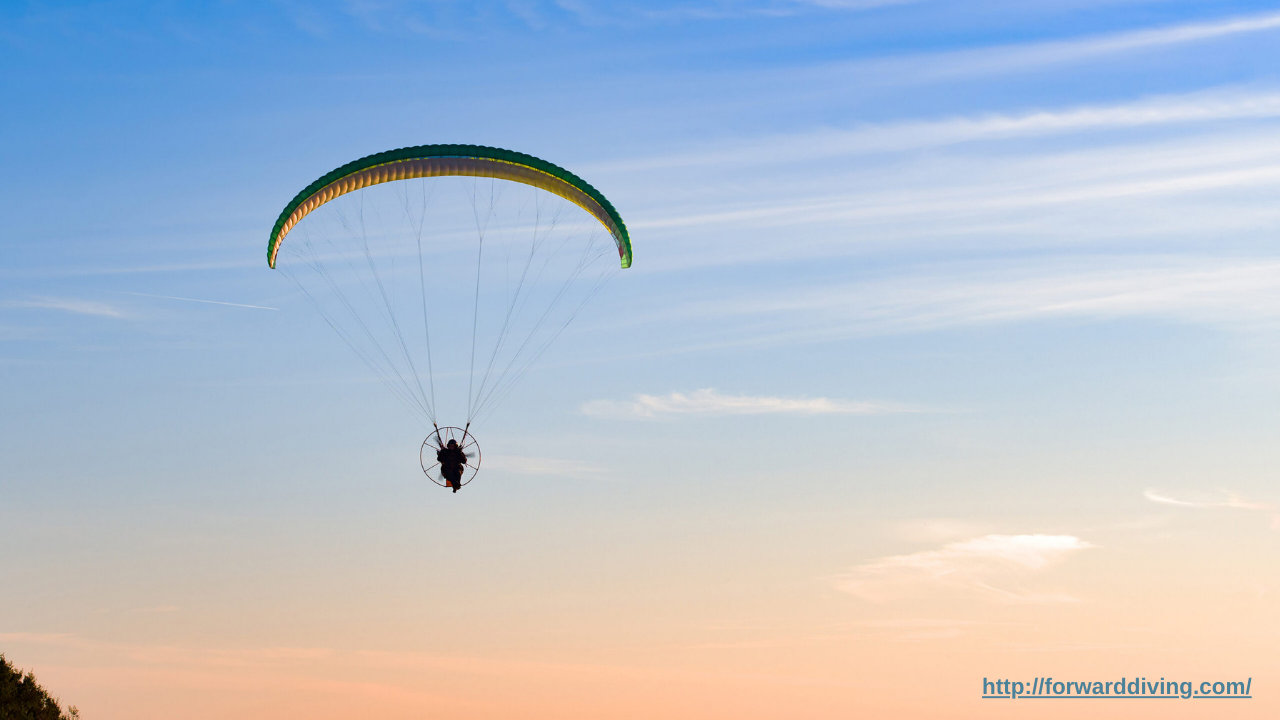
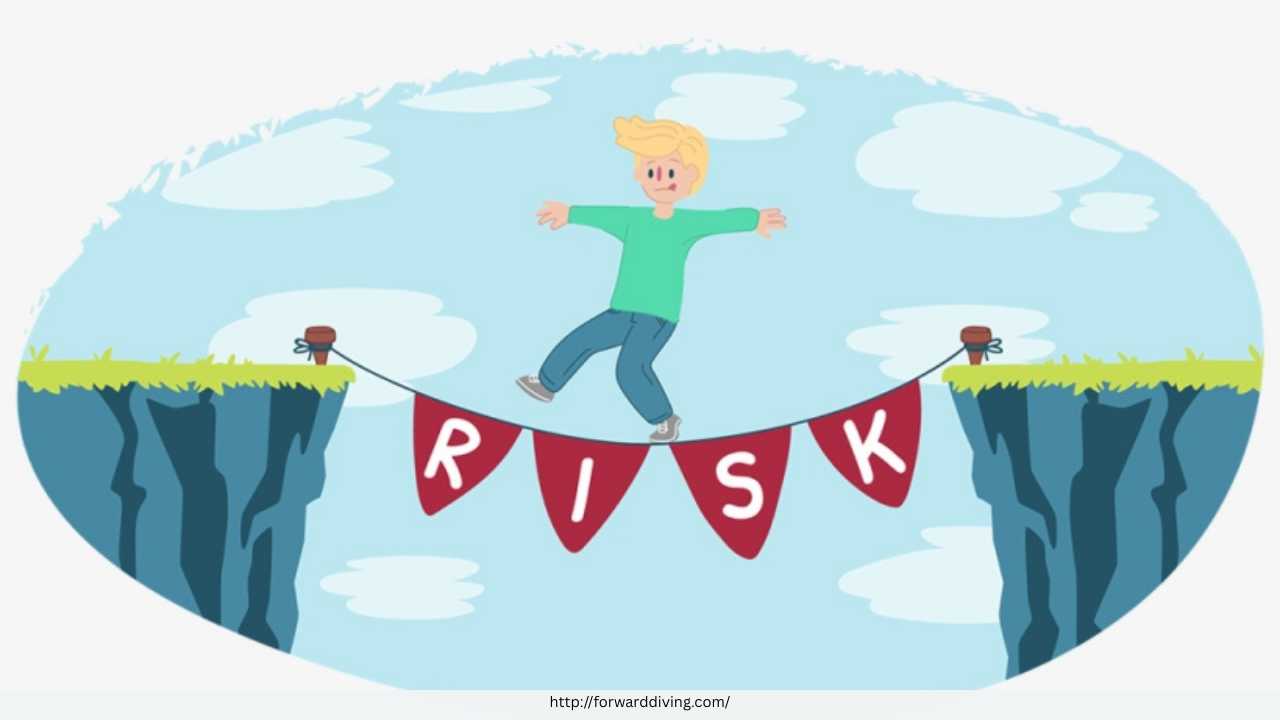
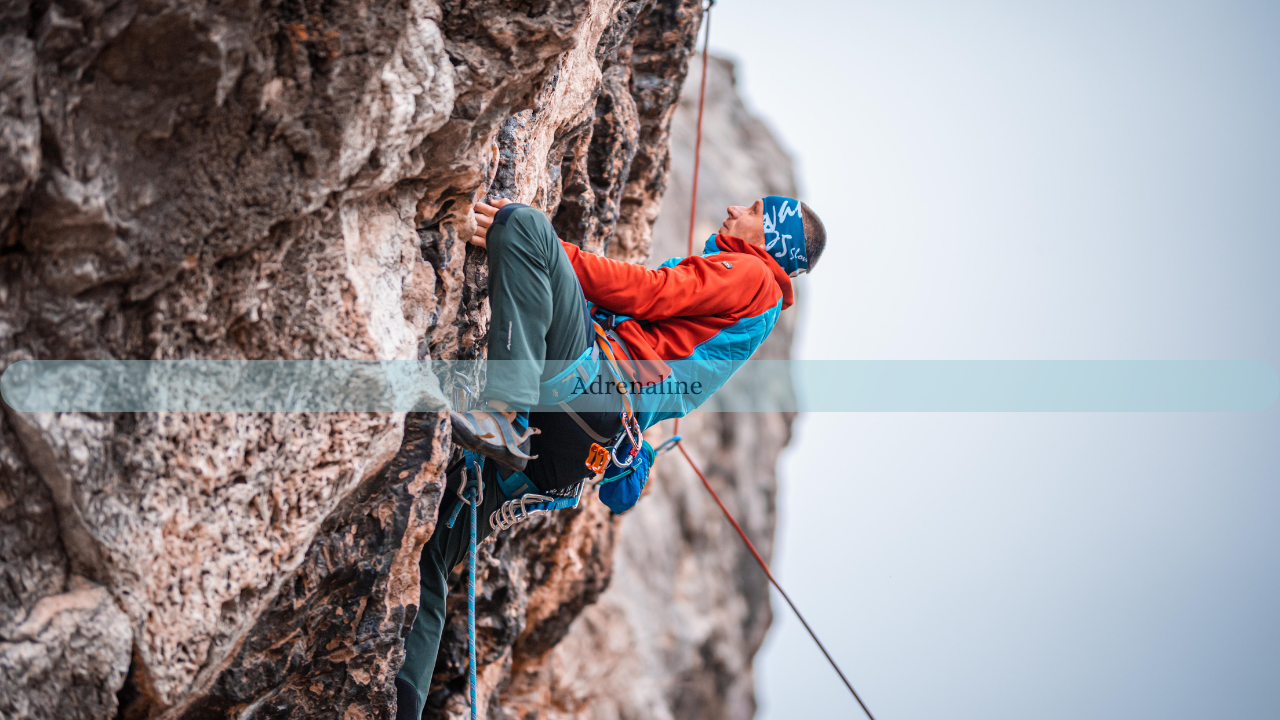
For some, chasing adrenaline is a hobby. For others, it becomes a way of life. Activities like extreme sports, high-speed driving, or risky adventures can offer an exhilarating escape from everyday stress. However, when the need for the rush begins to control your decisions, overshadow relationships, and put your health or safety at risk, it may have shifted from passion to addiction. At Forward Diving, we understand how thrill-seeking can gradually become a cycle of dependency, and we are here to guide you toward reclaiming a balanced, fulfilling life.

Understanding Thrill-Seeking Addiction

Thrill-seeking addiction is more than just a love for adventure. It is a behavioral pattern driven by the brain’s reward system, where the release of adrenaline and dopamine becomes a constant need. Over time, the activities that once brought joy may feel less satisfying, pushing you to take greater risks. This cycle can impact your mental health, strain relationships, and cause financial or physical harm.

Recognizing that the rush is no longer serving you is a vital step toward recovery. Many individuals find that their thrill-seeking is tied to deeper emotional struggles such as stress, anxiety, trauma, or depression. Addressing these underlying issues is key to lasting change.

Taking the First Step Toward Recovery

Acknowledge the Problem

Healing starts with honesty. Admitting that your behavior is no longer under control can be challenging, but it is also empowering. Awareness gives you the opportunity to take meaningful action.

Seek Professional Support

Forward Diving offers individualized treatment plans that address both the behavioral and emotional aspects of addiction. Through inpatient or outpatient care, we provide a safe space to explore your triggers, learn healthier coping strategies, and rebuild a sense of self beyond the rush.

Explore Holistic Healing

Lasting recovery is not just about stopping risky behaviors. It is about restoring balance in your mind, body, and spirit. Our holistic approach combines evidence-based therapies with mindfulness practices, physical wellness programs, and faith-based support for those who want to integrate their spiritual beliefs into their healing process.

Rebuilding a Life You Love

Thrill-seeking addiction can leave a void when the constant excitement stops. Filling that space with healthy and meaningful pursuits is essential. Some find purpose in creative hobbies, fitness challenges, volunteer work, or learning new skills. Others rebuild their lives by focusing on relationships, personal growth, and career goals. The key is discovering activities that provide fulfillment without putting you in harm’s way.

Stay Connected

Recovery thrives in community. Whether through support groups, therapy sessions, or faith-based gatherings, surrounding yourself with people who understand and encourage your progress can make all the difference.

Moving Forward with Confidence

Living beyond the rush is not about giving up excitement. It is about redefining what excitement means for you. At Forward Diving, we are committed to helping you find balance, rediscover joy, and create a future where your choices are driven by purpose rather than compulsion.

If you or someone you love is struggling with thrill-seeking addiction, we invite you to reach out today. With the right support, you can break free from the cycle, heal from within, and embrace a life filled with meaning and peace.


Escaping the Adrenaline Trap: A Guide to Thrill Addiction Recovery

For many people, adrenaline-fueled activities are a source of joy, excitement, and personal growth. Whether it’s skydiving, racing, extreme sports, or other high-risk pursuits, the rush of adrenaline can be deeply satisfying. But when the thrill becomes an emotional crutch or an unrelenting compulsion, it can lead to what experts call thrill addiction. Escaping this “adrenaline trap” requires recognizing the problem, understanding its roots, and taking deliberate steps toward recovery and a more balanced life.

Understanding the Adrenaline Trap

The human brain is wired to seek pleasure and avoid pain. Adrenaline, along with dopamine and endorphins, floods the body during moments of intense excitement or fear, creating a natural high. For thrill-seekers, this sensation can become addictive. Over time, everyday experiences may no longer feel satisfying, prompting a search for more dangerous or extreme activities to chase the same rush.

Unlike substance addictions, thrill addiction is behavior-based. But the underlying mechanisms are strikingly similar: both involve compulsive patterns, tolerance buildup, and withdrawal-like symptoms when the stimulation stops. Left unchecked, thrill addiction can lead to reckless decision-making, injuries, damaged relationships, and emotional burnout.

Recognizing the Signs

Recovering from thrill addiction starts with awareness. Some signs that thrill-seeking has crossed into addiction include:

  • Engaging in increasingly dangerous behavior despite known risks
  • Prioritizing high-risk activities over relationships, work, or responsibilities
  • Feeling agitated, depressed, or empty without constant excitement
  • Ignoring physical or emotional consequences in pursuit of the next thrill
  • Needing greater intensity over time to feel satisfied

If these behaviors feel familiar, it may be time to take action.

Steps Toward Recovery

1. Acknowledge the Issue
Denial is a major obstacle in any addiction. Begin by honestly evaluating your relationship with thrill-seeking. Has it become harmful? Has it taken over your priorities? Admitting the problem is the first powerful step toward healing.

2. Seek Professional Help
A therapist or addiction counselor—especially one with experience in behavioral addictions—can help you explore the emotional roots of your thrill-seeking behavior. Therapy can also provide tools for managing urges, developing healthier coping skills, and restoring balance.

3. Replace the Rush
Recovery doesn’t mean eliminating excitement altogether. It means channeling that energy into safer, more sustainable outlets. Structured activities like martial arts, fitness challenges, artistic expression, or entrepreneurship can offer stimulation without dangerous consequences.

4. Practice Emotional Regulation
Many thrill addicts are unknowingly using adrenaline to numb emotional pain or escape stress. Mindfulness practices like meditation, journaling, and deep breathing help you reconnect with your emotions in a safe and healing way.

5. Build a Support System
Surround yourself with people who support your growth and understand your journey. Whether it’s a friend, family member, mentor, or support group, having someone to talk to reduces isolation and keeps you grounded.

Reclaiming Your Life

Escaping the adrenaline trap doesn’t mean giving up passion—it means reclaiming control. Recovery is about finding new ways to feel alive without risking your well-being. With self-awareness, support, and purpose, you can build a life filled with excitement, meaning, and lasting satisfaction.

From Highs to Healing: Steps to Overcome Compulsive Thrill-Seeking

Thrill-seeking is a natural part of life. The excitement of trying something new, pushing personal limits, or experiencing a rush of adrenaline can be invigorating and rewarding. However, when the need for high-intensity experiences turns into an uncontrollable compulsion, it can spiral into a form of addiction. Compulsive thrill-seeking can harm mental and physical health, strain relationships, and lead to dangerous situations. The good news is that with the right strategies, it is possible to transition from highs to healing.

Understanding Compulsive Thrill-Seeking

Compulsive thrill-seeking occurs when individuals continuously pursue risky activities to achieve an emotional or physical high. These activities may include extreme sports, reckless driving, gambling, or other high-stakes behaviors. Over time, the brain becomes conditioned to crave the dopamine rush that accompanies these risks, leading to a cycle of addiction. Like substance abuse, thrill addiction is driven by the brain’s reward system, creating a pattern that can be hard to break.

Recognizing the Problem

The first step toward recovery is acknowledging the issue. Warning signs of compulsive thrill-seeking include:

  • Constantly escalating risk levels to feel the same excitement
  • Neglecting personal responsibilities or relationships in favor of risky behavior
  • Feeling anxious, restless, or depressed when not engaged in thrill-seeking
  • Ignoring physical injuries or legal troubles to continue the behavior
  • Experiencing compulsive thoughts about the next adventure or risk

Once individuals recognize these signs, they can begin the process of healing.

Steps Toward Healing

1. Self-Awareness and Acceptance
Healing starts with honest self-reflection. Acknowledge the pattern of behavior without judgment. Accepting that thrill-seeking has become compulsive is the first step toward change.

2. Professional Support
Therapists, especially those trained in addiction or behavioral therapy, can help individuals understand the psychological roots of their behavior. Cognitive-behavioral therapy (CBT) is particularly effective in addressing compulsions and developing healthier thought patterns.

3. Find Alternative Outlets
Replace high-risk behaviors with safer yet stimulating activities. Competitive sports, martial arts, or creative projects can satisfy the need for excitement while reducing danger. Learning new skills or setting personal challenges can also provide a sense of accomplishment and growth.

4. Practice Mindfulness and Stress Management
Mindfulness practices such as meditation, yoga, or breathing exercises help regulate emotions and reduce impulsive behaviors. They also teach individuals to find joy in the present moment, reducing the urge for constant stimulation.

5. Build a Support Network
Surrounding oneself with supportive friends, family, or support groups provides accountability and encouragement. Open communication helps individuals stay on track and avoid relapse.

6. Set Long-Term Goals
Focusing on meaningful personal or professional goals can shift attention from short-term thrills to long-lasting fulfillment. This can include career development, family relationships, or creative pursuits.

Conclusion

Overcoming compulsive thrill-seeking is a journey from chaos to balance. It requires courage, commitment, and a willingness to seek help. By recognizing the problem, finding healthy alternatives, and building a supportive foundation, individuals can move from dangerous highs to lasting healing—reclaiming control over their lives without losing their sense of adventure.

Breaking Free from the Edge: Overcoming Thrill-Seeking Addiction

Thrill-seeking can be an exhilarating part of life. From extreme sports and high-speed adventures to gambling and risk-laden investments, the pursuit of adrenaline offers a powerful rush. But when the need for excitement becomes a compulsion—one that dominates behavior, disrupts relationships, and endangers well-being—it transforms from passion into addiction. Recognizing this shift and taking proactive steps toward recovery is crucial for reclaiming balance and control.

Understanding Thrill-Seeking Addiction

Thrill-seeking addiction stems from the brain’s reward system, particularly the dopamine-driven cycle of pleasure and reinforcement. High-risk behavior triggers a surge of dopamine, which creates a euphoric feeling. Over time, the brain craves this sensation, pushing individuals to seek increasingly dangerous or intense experiences to achieve the same high.

This addiction often mirrors patterns seen in substance use disorders. The thrill becomes a need, rather than a choice, and life starts revolving around the next adrenaline fix. The fallout can include physical injuries, emotional instability, financial hardship, and strained relationships.

Recognizing the Signs

Acknowledging a problem is the first step toward recovery. Common signs of thrill-seeking addiction include:

  • Escalation of risk: Engaging in increasingly dangerous activities to maintain the same rush.
  • Neglecting responsibilities: Letting work, family, or personal obligations fall by the wayside.
  • Emotional distress: Feeling anxious, irritable, or depressed when not engaged in high-risk behavior.
  • Compulsion and obsession: Constantly thinking about or planning the next thrill.
  • Ignoring consequences: Repeating dangerous behavior despite injuries, legal issues, or personal loss.

Pathways to Recovery

Overcoming thrill-seeking addiction requires a multifaceted approach. While the road to recovery may be challenging, it is entirely possible with the right support and strategies.

  • Therapeutic intervention: Cognitive-behavioral therapy (CBT) is particularly effective in helping individuals identify harmful thought patterns, regulate impulses, and develop alternative coping mechanisms.
  • Mindfulness and self-awareness: Practices such as meditation and journaling can improve emotional regulation and reduce impulsivity.
  • Structured alternatives: Replacing harmful activities with safer, structured excitement—such as martial arts, dance, or team sports—can fulfill the need for stimulation without putting oneself at risk.
  • Support networks: Connecting with support groups, friends, or family provides accountability, encouragement, and a sense of belonging.
  • Goal setting and life planning: Establishing meaningful long-term goals can help redirect focus away from instant gratification toward lasting fulfillment.

Rebuilding a Balanced Life

Recovery is not about eliminating excitement; it’s about redefining it. A fulfilling life includes moments of adventure, but it also values stability, purpose, and connection. As individuals work to overcome thrill-seeking addiction, they often rediscover parts of themselves that were neglected—creativity, relationships, personal aspirations—and begin to build a life that is both exciting and grounded.

Conclusion

Breaking free from thrill-seeking addiction is a journey from chaos to clarity, from compulsion to choice. It requires courage, commitment, and the willingness to confront what lies beneath the surface. But with support and self-discovery, it’s possible to step back from the edge and live a life that offers both depth and excitement—without the destruction.

The Thrill-Seeker’s Dilemma: Can You Find Balance Without Losing the Rush?

For those who thrive on adrenaline, the world is full of opportunities for excitement—skydiving, extreme sports, high-stakes ventures, or even risky social behaviors. The rush of these experiences can be intoxicating, offering a sense of freedom, mastery, and invincibility. But for many thrill-seekers, a critical question arises: Can you sustain that rush without letting it take over your life? Can balance exist in a lifestyle fueled by intensity?

The Psychology Behind the Rush

At the heart of thrill-seeking is the brain’s reward system. High-risk experiences trigger the release of dopamine, the “feel-good” neurotransmitter that reinforces behaviors and makes us crave repetition. Over time, thrill-seekers may develop a psychological dependency on these experiences, leading them to take bigger risks just to maintain the same level of excitement.

Some individuals are biologically predisposed to seek out novel, high-intensity experiences—a trait known as sensation-seeking. While not inherently negative, it becomes problematic when the pursuit of thrills begins to disrupt everyday life, harm relationships, or jeopardize personal safety.

The Cost of Chasing the High

For many, the constant need for stimulation can lead to emotional burnout, physical injury, or chronic dissatisfaction with more routine aspects of life. The highs become harder to reach, and the lows feel deeper and more intolerable. This pattern mirrors addiction, where increasing exposure leads to tolerance, and withdrawal causes psychological distress.

In extreme cases, individuals may begin to neglect responsibilities, relationships, or their own well-being in the pursuit of their next rush. What once brought joy and energy starts to feel like a compulsion—something they must do to feel alive.

Finding the Middle Ground

The good news is that balance is possible. Thrill-seeking doesn’t have to be abandoned to achieve a healthier lifestyle. Instead, it can be integrated more thoughtfully. Here are several ways to find equilibrium:

  • Set boundaries: Choose activities that challenge you but have clearly defined safety measures. Respect your limits and listen to your body and mind.
  • Diversify your outlets: Channel your energy into multiple areas—art, physical fitness, learning new skills—that offer stimulation without excessive risk.
  • Practice mindfulness: Develop greater self-awareness to better recognize when your pursuit of thrill crosses into unhealthy territory.
  • Prioritize recovery: Make time for rest, reflection, and emotional recalibration to avoid burnout.
  • Stay connected: Engage with others who support your passions but also encourage groundedness and responsibility.

Redefining the Rush

One key to sustainable thrill-seeking is redefining what the “rush” means to you. Does it only come from danger? Or can it also arise from mastering a new skill, achieving a goal, or making a meaningful impact? Shifting your perspective can open the door to a broader range of fulfilling experiences.

Conclusion

The thrill-seeker’s dilemma is real—but it doesn’t have to be a trap. With self-awareness, intentional planning, and emotional insight, it’s entirely possible to enjoy the rush without letting it control your life. Balance isn’t about eliminating excitement—it’s about ensuring that excitement enhances, rather than undermines, your overall well-being.

When Fun Turns Fatal: The Slippery Slope from Excitement to Addiction

Thrill-seeking starts innocently enough—an exhilarating skydive, a daring mountain climb, or a high-speed motorcycle ride. For many, these experiences offer a break from routine, a boost of adrenaline, and a sense of accomplishment. But for some, the pursuit of excitement becomes an obsession. What begins as fun can quickly spiral into a dangerous addiction, where the craving for more intense thrills leads to life-altering consequences—or even death.

The Appeal of the Thrill

The human brain is wired to respond positively to novel and intense experiences. When we engage in high-risk activities, the body releases a flood of chemicals—dopamine, adrenaline, and endorphins—that produce feelings of euphoria and invincibility. This natural high can be deeply addictive, especially for those who are naturally drawn to excitement or are struggling with underlying emotional issues.

What makes thrill-seeking so seductive is its ability to mask pain, fear, or dissatisfaction. For some, it becomes a form of escapism—a way to numb emotional turmoil or fill a void. The initial enjoyment of the activity soon gives way to a compulsive need to chase the next rush, often without considering the escalating risks.

Recognizing the Shift

Not everyone who enjoys a thrill is addicted. The key difference lies in control and consequences. When individuals begin prioritizing risky activities over their health, relationships, or responsibilities, the behavior may be crossing into addiction. Warning signs include:

  • Escalation of risk: Constantly seeking more dangerous or extreme experiences to feel the same level of excitement.
  • Neglecting safety: Ignoring precautions or engaging in reckless behavior despite known dangers.
  • Obsession: Thinking about thrill-seeking activities constantly and feeling agitated or depressed without them.
  • Impact on daily life: Struggling with work, school, or personal relationships because of the pursuit of high-risk thrills.
  • Denial: Minimizing the dangers or rationalizing risky behavior.

The Fatal Consequences

As thrill-seeking escalates, so do the potential consequences. Physical injuries are common, and fatalities are not uncommon in high-risk sports and activities. But the dangers extend beyond the physical. The psychological toll can include anxiety, depression, and emotional instability. Financial problems, legal issues, and damaged relationships are also frequent outcomes.

In extreme cases, the drive for danger becomes so overpowering that individuals ignore all signs of harm, pushing themselves to the brink in pursuit of a fleeting rush. This slippery slope—from recreational excitement to life-threatening addiction—is a stark reminder of how powerful and perilous thrill-seeking can become.

Finding Safer Outlets

Recovering from thrill addiction requires awareness, support, and often professional help. Healthy strategies include:

  • Therapy: Working with a counselor to uncover emotional triggers and develop alternative coping mechanisms.
  • Mindful excitement: Participating in structured, goal-oriented activities that offer excitement with boundaries.
  • Support systems: Leaning on friends, family, or support groups for accountability and encouragement.
  • Personal growth: Pursuing new goals and interests that provide fulfillment without the need for danger.

Conclusion

Thrill-seeking can be a joyful and enriching part of life—but when the desire for excitement becomes a compulsive need, the consequences can turn fatal. Recognizing the signs of addiction and taking steps toward safer, more balanced living can help individuals reclaim their joy without risking everything in the process.

Thrill-Seeking and the Brain: How High-Risk Behaviors Hijack Reward Systems

The human brain is remarkably adept at identifying and responding to stimuli that bring pleasure and reward. At the heart of this process lies the brain’s reward system—a complex network of structures and chemicals that reinforce behaviors necessary for survival. However, when high-risk behaviors such as extreme sports, gambling, or reckless driving become regular pursuits, this reward system can be hijacked, leading to compulsive thrill-seeking and potential addiction.

The Brain’s Reward Circuitry

The brain’s reward system is primarily driven by the neurotransmitter dopamine. Dopamine is released in response to pleasurable experiences, such as eating, exercising, or achieving goals. In the context of thrill-seeking, the surge of adrenaline and danger triggers a heightened dopamine release, creating a powerful rush of euphoria. This sensation encourages repetition of the behavior, as the brain learns to associate high risk with intense reward.

Regions such as the nucleus accumbens, amygdala, and prefrontal cortex play critical roles in processing reward, emotion, and decision-making. When the reward system is activated frequently through high-risk activities, these brain areas begin to prioritize thrill-seeking behaviors over other, more balanced forms of satisfaction.

Tolerance and Escalation

Just as with substance addiction, frequent activation of the reward system through risky behavior can lead to tolerance. Over time, the same activity produces a diminished response, prompting individuals to seek out more dangerous or intense experiences to achieve the same high. This phenomenon, known as reward deficiency, can lead to a vicious cycle of escalating risk.

Moreover, the brain’s ability to regulate impulses may be impaired. The prefrontal cortex, responsible for rational thinking and decision-making, can be overridden by the limbic system, which is more emotionally driven. As a result, thrill-seekers may ignore the dangers or consequences of their actions, acting on impulse rather than logic.

Psychological Implications

Hijacking of the brain’s reward system doesn’t just affect risk perception; it can also lead to psychological challenges. Chronic thrill-seekers may experience:

  • Mood swings: Emotional highs during risky activities followed by lows when stimulation is absent.
  • Restlessness or boredom: Difficulty engaging in everyday tasks that lack excitement.
  • Anxiety and depression: Especially during periods of forced inactivity or injury.
  • Relationship strain: As the need for risk-taking may alienate friends and family.

These patterns mirror those seen in behavioral and substance addictions, making early recognition and intervention crucial.

Recovery and Regulation

Restoring balance to the brain’s reward system is possible, but it requires intentional effort. Effective strategies include:

  • Cognitive-behavioral therapy (CBT): Helps individuals recognize triggers, understand thought patterns, and develop healthier habits.
  • Mindfulness and meditation: Encourage present-moment awareness and emotional regulation.
  • Structured excitement: Activities like martial arts, dance, or competitive sports offer stimulation with reduced risk.
  • Support networks: Friends, family, or support groups can provide encouragement and accountability.

Conclusion

Thrill-seeking is a natural part of human behavior, but when high-risk activities consistently hijack the brain’s reward systems, it can lead to compulsive, and sometimes dangerous, behavior. Understanding the neurological mechanisms behind thrill addiction empowers individuals to make informed choices, seek help when needed, and find healthier ways to satisfy their craving for excitement.

From Excitement to Dependence: The Psychology Behind Adrenaline Addiction

Adrenaline addiction may not receive the same level of attention as substance abuse, but it’s a compelling psychological phenomenon with profound implications for mental health and behavior. Often referred to as “adrenaline junkies,” individuals with this dependency seek the intense rush of excitement that comes from high-risk or high-stakes activities. Whether it’s through extreme sports, dangerous stunts, or high-pressure professions, the pursuit of adrenaline can shift from thrilling to compulsive. Understanding the psychology behind this addiction reveals its complexity and sheds light on how it develops and affects those who experience it.

What Is Adrenaline Addiction?

Adrenaline, or epinephrine, is a hormone and neurotransmitter released by the adrenal glands in response to stress or danger. This fight-or-flight hormone prepares the body for action, increasing heart rate, sharpening focus, and flooding muscles with energy. While this physiological response is essential for survival, it also produces a euphoric sensation that some individuals come to crave.

Adrenaline addiction occurs when the desire for this natural high becomes compulsive. The activities that trigger these feelings—such as skydiving, racing, or even gambling—can escalate as the individual seeks increasingly intense experiences to achieve the same rush. Over time, the pursuit of excitement shifts from being a source of enjoyment to a psychological dependency.

The Psychology of Adrenaline Addiction

  1. The Reward System in the Brain:
    Adrenaline addiction is closely tied to the brain’s reward system. High-adrenaline activities flood the brain with dopamine, a neurotransmitter associated with pleasure and reward. This chemical boost reinforces the behavior, making the individual more likely to seek out similar experiences. Over time, the brain begins to associate excitement and risk with pleasure, creating a loop of desire and fulfillment.
  2. Tolerance and Escalation:
    Much like with drug or alcohol addiction, individuals can develop a tolerance to adrenaline. What once felt thrilling may become mundane, pushing the person to engage in riskier or more extreme activities to achieve the same level of excitement. This escalation can lead to dangerous or even life-threatening behaviors.
  3. Escaping Negative Emotions:
    For some, adrenaline addiction serves as a form of emotional escapism. The intense focus required during high-adrenaline activities can temporarily drown out feelings of anxiety, depression, or boredom. This creates a reliance on these experiences as a coping mechanism, perpetuating the cycle of addiction.
  4. Personality Traits and Risk-Taking:
    Certain personality traits, such as sensation-seeking, impulsivity, and a predisposition for risk-taking, are often linked to adrenaline addiction. These individuals may thrive on unpredictability and novelty, finding routine or low-stress environments unfulfilling.

The Consequences of Adrenaline Addiction

Though it may seem harmless, adrenaline addiction can have significant physical, emotional, and social consequences. The repeated stress on the body can lead to chronic fatigue, weakened immunity, and cardiovascular issues. Mentally, the constant chase for excitement can result in anxiety, burnout, and emotional instability.

Socially, the addiction can strain relationships, as the individual’s need for thrill may lead to reckless decisions or an inability to prioritize long-term goals over immediate gratification.

Breaking the Cycle

Recovery from adrenaline addiction involves addressing the underlying psychological patterns driving the behavior. Therapy, particularly cognitive-behavioral therapy (CBT), can help individuals identify triggers and develop healthier ways to manage stress and seek fulfillment. Incorporating mindfulness practices and exploring low-stress hobbies can also retrain the brain to find joy and satisfaction in calmer, more sustainable activities.

Adrenaline addiction is a reminder of the human brain’s incredible capacity for adaptation—and its vulnerability to imbalance. By understanding the psychology behind this dependency, individuals can take steps toward a healthier, more balanced life, embracing excitement without becoming trapped in its pursuit.

The Rush That Never Ends: How Adrenaline Junkies Can Develop Addictive Behaviors

For some, life is all about seeking the next adventure, the next thrill, the next rush of excitement. While this might seem harmless or even admirable, this constant craving for adrenaline can evolve into an addictive behavior that impacts both physical health and emotional well-being. Adrenaline junkies, as they’re often called, are individuals who seek out high-intensity experiences for the euphoric feelings associated with an adrenaline spike. Over time, these thrill-seekers can find themselves caught in a cycle that mirrors substance addiction.

What Drives Adrenaline Addiction?

Adrenaline is a hormone produced by the adrenal glands in response to stress or danger. It prepares the body for a “fight or flight” response, increasing heart rate, boosting energy, and heightening focus. For many, this biological response provides a temporary sense of power and exhilaration.

Adrenaline junkies chase this feeling. They might turn to activities like skydiving, bungee jumping, extreme sports, or even reckless behavior such as gambling or high-stakes investments. While the initial intent is usually fun or personal challenge, the brain starts associating these activities with pleasure and reward.

Much like substance addiction, adrenaline dependency develops when the body and mind begin to crave the chemical surge. Over time, individuals may require increasingly risky or intense experiences to achieve the same thrill, leading to a dangerous pattern of behavior.

How Adrenaline Junkies Develop Addictive Behavior

  1. The Cycle of Tolerance and Dependency:
    Adrenaline addiction shares similarities with substance addiction in how tolerance develops. Initially, moderate risks provide an exhilarating high. But as the brain adapts to frequent adrenaline surges, the same activity no longer delivers the same level of excitement. This leads to seeking out riskier, more extreme activities to recapture the original high.
  2. Reinforcement Through Rewards:
    Thrill-seeking behavior often comes with social, emotional, or psychological rewards. Completing a high-risk activity can lead to feelings of accomplishment, admiration from peers, or a sense of invincibility. These positive reinforcements can solidify the desire to repeat the experience, even when the risks outweigh the rewards.
  3. Emotional Escapism:
    For some adrenaline junkies, the thrill becomes a way to escape negative emotions or challenges in their personal lives. The intense focus required during high-adrenaline activities can temporarily distract from feelings of stress, anxiety, or dissatisfaction, creating a reliance on these experiences as a coping mechanism.
  4. Biological Wiring:
    Some individuals are naturally predisposed to seek stimulation due to their genetic makeup. Research suggests that certain people have lower baseline levels of dopamine, the brain’s reward chemical, which can drive them to seek out high-intensity experiences for a boost.

The Consequences of Adrenaline Addiction

While chasing adrenaline may seem harmless, it comes with significant risks. Physically, repeated exposure to high-stress situations can strain the heart, weaken the immune system, and lead to chronic fatigue or injury. Mentally, the constant pursuit of thrill can result in anxiety, emotional burnout, and even depression when the adrenaline rush fades.

Adrenaline junkies may also experience impaired relationships and professional setbacks. Their need for excitement can lead to reckless decisions, straining trust with loved ones and disrupting career stability.

Breaking the Addiction

Addressing adrenaline addiction requires a shift in mindset and lifestyle. Recognizing the behavior is the first step. Therapy, particularly cognitive-behavioral therapy (CBT), can help individuals understand their triggers and develop healthier coping mechanisms. Practicing mindfulness, engaging in low-stress hobbies, and learning to find joy in calmer experiences can help retrain the brain to appreciate balance.

Adrenaline junkies don’t need to abandon their love for adventure entirely. Instead, they can channel their energy into safer, more sustainable pursuits that balance excitement with mindfulness. The goal is to embrace a life where fulfillment isn’t dependent on an endless rush but found in a variety of meaningful experiences.

By understanding the addictive nature of adrenaline, individuals can reclaim control, ensuring their pursuits are driven by joy and passion, not by compulsion.

Chasing the Thrill: Understanding Adrenaline Addiction and Its Impact on Mental Health

In today’s fast-paced, high-stimulation world, many individuals find themselves addicted not to substances like alcohol or drugs, but to the natural high generated by their own bodies—adrenaline. Commonly associated with extreme sports or high-risk activities, adrenaline addiction is a behavioral pattern where individuals continuously seek thrills to feel the rush of excitement. Though it might appear exhilarating on the surface, this reliance on adrenaline can have profound effects on one’s mental health and overall well-being.

What is Adrenaline Addiction?

Adrenaline, also known as epinephrine, is a hormone released by the adrenal glands in response to stress or danger. It triggers the body’s fight-or-flight response, increasing heart rate, sharpening focus, and providing a temporary boost in energy and strength. This biological mechanism is designed for survival, helping humans respond to immediate threats. However, in modern life, some individuals seek this heightened state of alertness not out of necessity but for the pleasurable rush it produces.

People addicted to adrenaline, often referred to as “adrenaline junkies,” constantly crave new, exciting, and risky experiences. Whether it’s through extreme sports like skydiving or bungee jumping, or high-stakes professions such as firefighting or emergency medicine, these individuals chase the thrill that comes with adrenaline spikes. Over time, they may find it difficult to function without this stimulation, leading to a form of behavioral addiction.

The Mental Health Consequences of Adrenaline Addiction

While chasing adrenaline may seem thrilling, it comes with significant consequences, especially for mental health. The constant pursuit of high-intensity experiences can create an imbalanced mental state. Here are some ways adrenaline addiction can affect mental health:

  1. Increased Stress and Anxiety: Although adrenaline is a response to stress, constantly seeking it out can create a vicious cycle. Adrenaline junkies may become more prone to anxiety and stress in everyday situations as their nervous systems remain on high alert. What once provided excitement might leave them feeling tense, irritable, or restless when not engaged in high-stakes activities.
  2. Impaired Emotional Regulation: The frequent highs and lows of adrenaline spikes can make it challenging to regulate emotions. Individuals may find themselves becoming more impulsive or impatient, unable to cope with routine tasks that lack excitement. This can lead to strained relationships and difficulty managing day-to-day responsibilities.
  3. Desensitization and Tolerance: Just like with other forms of addiction, the more someone indulges in high-adrenaline activities, the more they require to achieve the same rush. This can lead to riskier behaviors, as individuals push their limits to recreate the intensity of their initial experiences. Over time, even life-threatening risks may not feel “enough” to satisfy the craving for excitement.
  4. Emotional Burnout and Depression: Constantly running on adrenaline can lead to emotional and physical burnout. When the thrill wears off, individuals may experience feelings of emptiness, depression, or dissatisfaction. They may struggle with low energy, reduced motivation, and a sense of meaninglessness in activities that don’t provide the desired adrenaline boost.

Breaking the Cycle

Addressing adrenaline addiction requires a conscious effort to shift away from high-stakes activities and cultivate a sense of balance. Like other forms of addiction, professional counseling or therapy may be necessary to explore underlying motivations and develop healthier coping mechanisms. Mindfulness practices, such as meditation or yoga, can also help individuals reconnect with calmer states of mind and break the dependency on adrenaline.

Recognizing that one’s mental health and well-being should not depend on constant thrill-seeking is the first step toward recovery. By gradually integrating more peaceful and meaningful experiences into daily life, individuals can regain emotional stability and learn to find fulfillment outside of the rush of adrenaline.

Conclusion

Adrenaline addiction, while often overlooked, is a genuine and potentially harmful condition. The constant pursuit of thrills may offer temporary excitement but can leave lasting scars on mental health. By understanding the nature of this addiction and its consequences, individuals can take steps toward recovery, finding balance and inner peace without the need for constant stimulation.