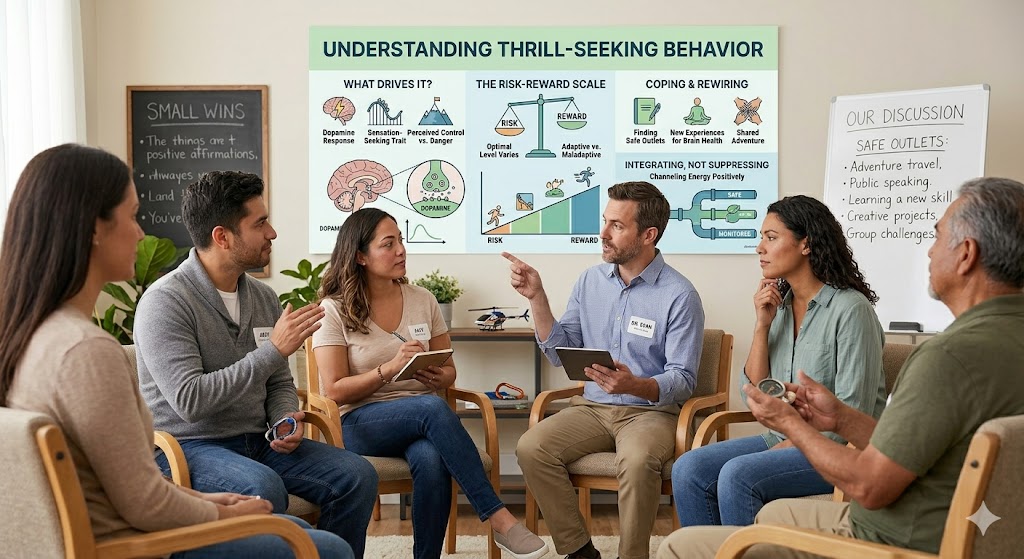
Taking risks can be a healthy part of life. Trying new experiences, pushing personal limits, and embracing adventure often help people build confidence and discover their strengths. However, when the desire for excitement becomes difficult to control, the line between healthy thrill-seeking and harmful behavior can begin to blur. What starts as an occasional search for adrenaline may gradually become a compulsive pattern that affects emotional well-being, relationships, and daily life. Understanding how thrill-seeking impacts mental health is an important step toward recognizing when professional support may be needed.
Understanding Healthy Thrill-Seeking
Not every person who enjoys excitement is at risk for addiction. Many people naturally seek adventure because they enjoy learning, exploring, and challenging themselves. Activities such as hiking, skydiving, mountain biking, competitive sports, or traveling can provide positive experiences when approached responsibly.
Healthy thrill-seeking typically remains balanced. Individuals continue meeting their responsibilities, maintain healthy relationships, and can choose when to participate without feeling emotionally dependent on the activity.
Problems develop when excitement shifts from being an enjoyable experience to becoming a primary way of coping with life.
How Thrill-Seeking Can Become Compulsive
Behavioral addiction develops gradually. The brain begins associating high intensity experiences with emotional relief and reward, making the behavior increasingly difficult to resist.
The Brain’s Reward System
Thrilling experiences stimulate the release of dopamine, a neurotransmitter that reinforces rewarding behaviors. Over time, the brain may begin craving stronger stimulation to achieve the same emotional effect.
As tolerance develops, individuals often seek greater risks to recreate the excitement they once experienced.
Emotional Escape
Many people who struggle with compulsive thrill-seeking are not simply chasing excitement. They may be trying to avoid anxiety, depression, unresolved trauma, loneliness, or chronic stress.
While adrenaline temporarily masks emotional discomfort, it does not resolve the underlying issues. This creates a cycle that can become increasingly difficult to break.
Warning Signs That Risk-Taking Is Becoming Unhealthy
Recognizing unhealthy patterns early can help prevent more serious consequences.
Increasingly Dangerous Choices
Activities become more extreme because previous experiences no longer feel exciting enough.
Difficulty Walking Away
The individual feels compelled to continue seeking high intensity experiences, even after experiencing injuries, financial problems, or relationship conflicts.
Emotional Dependence
Without regular excitement, a person may experience boredom, irritability, anxiety, or emotional emptiness.
Daily Life Begins to Suffer
Work performance, school responsibilities, family relationships, financial stability, or physical health may begin declining as thrill-seeking takes priority.
The Impact on Mental Health
Compulsive thrill-seeking affects much more than physical safety. It often contributes to significant emotional and psychological challenges.
Anxiety and Chronic Stress
Constant stimulation can leave the nervous system in a heightened state, making relaxation increasingly difficult. Individuals may feel restless or uncomfortable during ordinary daily activities.
Depression Following Emotional Highs
After periods of intense excitement, emotional crashes often follow. These low periods can contribute to sadness, frustration, and feelings of emptiness.
Increased Isolation
As thrill-seeking becomes more central to daily life, relationships with family and friends may suffer. Loved ones may struggle to understand the behavior, creating conflict or emotional distance.
Co-Occurring Mental Health Disorders
Many individuals who struggle with behavioral addictions also experience anxiety disorders, depression, trauma-related conditions, or substance use disorders. Addressing both the addiction and the underlying mental health concerns is essential for lasting recovery.
How Professional Treatment Supports Healing
Recovery is not about eliminating adventure or excitement. Instead, treatment focuses on helping individuals regain control while developing healthier ways to experience fulfillment.
Individualized Therapy
Personalized therapy helps identify emotional triggers, unhealthy thought patterns, and the underlying reasons behind compulsive behaviors. Evidence based approaches such as cognitive behavioral therapy help individuals develop practical coping skills and healthier decision-making strategies.
Inpatient and Outpatient Care
Some individuals benefit from the structured environment of inpatient treatment, where they can fully focus on healing. Others find success through outpatient programs that provide ongoing therapy while allowing them to continue work, school, or family responsibilities.
Treatment plans are tailored to each person’s unique circumstances and recovery goals.
Holistic Healing
Whole-person care recognizes that emotional wellness depends on physical, mental, and spiritual health. Holistic approaches may include mindfulness practices, exercise, nutritional support, stress management, and wellness education to strengthen long-term recovery.
Faith-Based Support
For individuals who desire spiritual guidance, faith-based care can provide additional strength throughout recovery. Building hope, purpose, forgiveness, and connection often becomes an important part of lasting healing.
Building a Balanced Life After Recovery
Recovery does not require giving up excitement. Instead, individuals learn how to enjoy adventure while maintaining healthy boundaries and emotional stability.
Healthy outlets such as outdoor recreation, fitness goals, creative pursuits, volunteer opportunities, and meaningful relationships can provide fulfillment without becoming emotionally controlling. As coping skills improve, excitement becomes one enjoyable part of life rather than the center of it.
Taking the First Step Toward Recovery
Recognizing unhealthy thrill-seeking patterns is not a sign of weakness. It is an opportunity to create lasting change. Seeking professional support early can help prevent behavioral patterns from becoming more deeply rooted while addressing the emotional factors that contribute to compulsive risk-taking.
With compassionate addiction recovery services, individualized mental health treatment, holistic care, and faith-based support when desired, healing is possible.
Conclusion
Risk-taking can enrich life when it is balanced and intentional. However, when the pursuit of excitement begins affecting mental health, relationships, and daily responsibilities, it may be time to seek help. Thrill-seeking addiction often develops gradually, making early recognition an important part of recovery.
Through personalized treatment, evidence based therapy, holistic healing, and compassionate support, individuals can regain control, improve emotional well-being, and build healthier ways to experience excitement. If you or someone you love is struggling with compulsive thrill-seeking, reaching out for professional care can be the first step toward lasting recovery and a healthier, more fulfilling future.